Japan ski paradise faces strains of global acclaim / Photo: © AFP

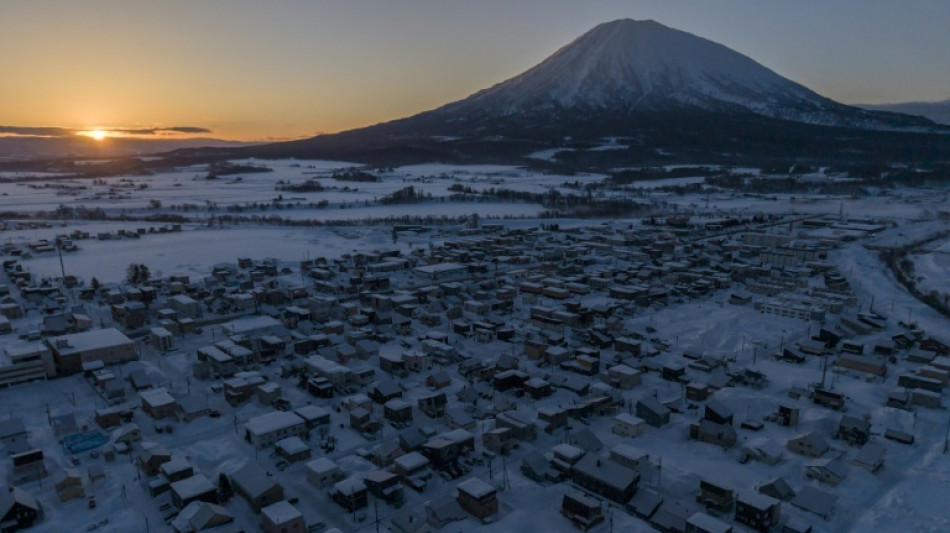
Beneath the powder snow at internationally popular Japanese ski resort Niseko, anxiety is mounting among residents over soaring prices and a massive influx of overseas workers.
At a time when Prime Minister Sanae Takaichi is talking tough on immigration, upscale Niseko has never been more popular with seasonal workers, investors and skiers from across the globe.
The snow "is the best in the world", said Gideon Masters, a 29-year-old Australian tourist.
"It's just soft, powder fluff. You can pick it up with your bare hands, it doesn't even feel cold... It's just a shame that it's become so populated," he told AFP at the foot of the slopes, snowboard in hand.
Built in the 1960s on the northern island of Hokkaido, the resort began attracting foreigners, mainly Australians, in the 1990s and became a popular destination after the 9/11 terrorist attacks in 2001 for those wanting to avoid the United States.
They gradually opened more shops and acquired property, and were later joined by Asian investors from Hong Kong, Malaysia and Singapore, among others, pushing land prices ever higher.
In Hirafu, one of the four resorts that make up Niseko, land prices jumped 70 percent between 2020 and 2025.
"If ski resorts in Japan had stayed the way they used to be, they would never have gained such worldwide renown," said Hiroshi Hasegawa, director of a local real estate agency.
"It's thanks to the taste and sensibilities of Australians and New Zealanders that this town has grown."
They are no longer alone, with "funds based in tax havens and all kinds of investors (who) have started pouring money in. Hollywood stars and artists come here, and owners of multinationals are buying second homes," he added.
"All of this is driving prices up even further," a trend that will likely continue, according to the agent.
- Unaffordable for locals -
For residents, inflated property prices and living costs are leaving a bitter taste.
"Land is being sold at prices that are no longer affordable for locals," explained 42-year-old Masatoshi Saito, who runs a painting company.
"In the supermarket, you find luxury products, sea urchins or Dom Perignon champagne, and vegetables have become extremely expensive," pushing some people to do their shopping in a neighbouring town.
To attract staff, hotels and restaurants are raising wages, but local businesses are struggling to keep up.
"In construction, paying that much is very difficult because market prices are fixed. Raising wages is a huge risk for bosses," Saito said.
Meanwhile, "care workers sometimes prefer jobs in hotels," which pay better, creating a risk of labour shortages in social services", warned Hasegawa.
Driven by tourist demand, the region sees thousands of seasonal workers arrive each year, most of them foreigners.
In Kutchan, a large town in the area, the non-Japanese population doubles in winter to 3,000 people from 70 countries, making up nearly 20 percent of residents.
"Young people in their twenties come here from all over the world (...), which creates a very lively atmosphere," but also causes problems with neighbours, admitted Kutchan Mayor Kazushi Monji.
Saito and other residents, meanwhile, have complained about littering.
A plan to build housing for 1,200 foreign workers that was approved last autumn sparked outcry among locals.
"Cultures are different, not to mention the language barrier," the mayor said, urging "mutual support and consideration".
- 'Harmonious coexistence' -
Reflecting growing anti-immigration sentiment, the far-right "Japanese First" Sanseito party made gains in February's general election.
Prime Minister Takaichi, meanwhile, has promised tougher rules for foreigners in the name of "harmonious coexistence" between communities.
Her government is proposing stricter checks on foreigners entering the country, lengths of stay and illegal work.
It also wants to revise rules on land purchases by foreigners for "national security" reasons.
While acknowledging the need to adapt legislation to current realities, Monji rejects "the somewhat extreme view" that foreigners could "take over".
The interest Niseko is generating "boosts the economy and greatly contributes to the town's development", Kutchan's mayor said.
And with births falling again in 2025 for the tenth year in a row in Japan, the country desperately needs foreign workers.
Hokkaido is experiencing extreme polarisation, hosting both the localities that saw the sharpest land-price increases in the country last year due to tourism and foreign investment, and those where prices fell the most, due to population decline.
"If we want to share the beauty of this region with the whole world, we must move beyond nationality divides," Monji said.
R.Lin--ThChM