The China Mail - Battle lines drawn over EU's next big budget

USD -
AED 3.672503
AFN 65.00016
ALL 80.969857
AMD 361.359581
ANG 1.789785
AOA 916.999814
ARS 1522.999097
AUD 1.432531
AWG 1.80125
AZN 1.733153
BAM 1.74212
BBD 2.012426
BDT 123.598208
BGN 1.747831
BHD 0.377416
BIF 2999.585803
BMD 1
BND 1.278237
BOB 11.675159
BRL 5.061797
BSD 0.999132
BTN 94.798398
BWP 13.69985
BYN 2.981094
BYR 19600
BZD 2.009486
CAD 1.409504
CDF 2313.496653
CHF 0.825905
CLF 0.024945
CLP 981.88969
CNY 6.691199
CNH 6.68261
COP 3168
CRC 453.826798
CUC 1
CUP 23.980333
CVE 98.217189
CZK 21.69495
DJF 177.929603
DKK 6.66426
DOP 61.451444
DZD 134.429503
EGP 53.909098
ERN 15
ETB 163.206182
EUR 0.89157
FJD 2.25945
FKP 0.750648
GBP 0.750975
GEL 2.590027
GGP 0.750648
GHS 11.676049
GIP 0.750648
GMD 73.497352
GNF 8844.094881
GTQ 7.639034
GYD 209.00734
HKD 7.84817
HNL 26.820882
HRK 6.717696
HTG 130.705681
HUF 323.815498
IDR 18054
ILS 3.103505
IMP 0.750648
INR 94.83895
IQD 1514.774979
IRR 1795877.49876
ISK 121.440179
JEP 0.750648
JMD 158.78431
JOD 0.708969
JPY 158.407498
KES 129.897411
KGS 87.449855
KHR 4068.089503
KMF 439.999991
KPW 899.999961
KRW 1331.68034
KWD 0.31091
KYD 0.83268
KZT 451.722955
LAK 22482.018394
LBP 89478.016105
LKR 331.122819
LRD 170.366279
LSL 16.42449
LTL 2.95274
LVL 0.60489
LYD 6.412478
MAD 9.77184
MDL 17.816041
MGA 4529.360679
MKD 54.914955
MMK 2099.513869
MNT 3596.411813
MOP 8.077478
MRU 40.003029
MUR 47.249868
MVR 15.460413
MWK 1732.62013
MXN 18.443225
MYR 4.082499
MZN 63.893505
NAD 16.424417
NGN 1332.740352
NIO 36.770142
NOK 9.415735
NPR 151.676406
NZD 1.764865
OMR 0.384503
PAB 0.999132
PEN 3.447023
PGK 4.544503
PHP 62.995498
PKR 276.59385
PLN 3.89775
PYG 5763.047022
QAR 3.642032
RON 4.747896
RSD 104.717958
RUB 82.75182
RWF 1476.78686
SAR 3.763551
SBD 8.064647
SCR 13.998288
SDG 601.461434
SEK 9.908202
SGD 1.279815
SHP 0.754745
SLE 24.68032
SLL 20969.504398
SOS 571.064633
SRD 37.708892
STD 20697.981008
STN 21.822878
SVC 8.742551
SYP 13001.999685
SZL 16.419114
THB 33.560497
TJS 9.202594
TMT 3.51
TND 2.982711
TOP 2.40776
TRY 49.552698
TTD 6.778453
TWD 32.478498
TZS 2649.949648
UAH 45.052265
UGX 4156.255985
UYU 40.119539
UZS 12034.649387
VES 878.9106
VND 25894.5
VUV 118.97233
WST 2.787823
XAF 584.831548
XAG 0.017496
XAU 0.000241136137
XCD 2.70255
XCG 1.80082
XDR 0.707052
XOF 584.831548
XPF 106.228901
YER 236.14965
ZAR 16.43767
ZMK 9001.203608
ZMW 19.959203
ZWL 321.999592
SSP 5750.775019
MXV 2.082052
  • RYCEF

    0.4000

    19.71

    +2.03%

  • CMSC

    0.0000

    20.4

    0%

  • BTI

    0.4200

    56.05

    +0.75%

  • BP

    0.2800

    44.43

    +0.63%

  • RBGPF

    1.6000

    67

    +2.39%

  • RIO

    -0.1500

    94.41

    -0.16%

  • AZN

    -0.4300

    166.15

    -0.26%

  • GSK

    0.4600

    49.7

    +0.93%

  • BCE

    -0.4100

    20.56

    -1.99%

  • NGG

    -0.2500

    75.24

    -0.33%

  • VOD

    -0.0400

    16.58

    -0.24%

  • RELX

    -0.4500

    33.07

    -1.36%

  • BCC

    -0.5500

    76.59

    -0.72%

  • CMSD

    -0.0300

    20.27

    -0.15%

  • JRI

    -0.2500

    10.77

    -2.32%

Battle lines drawn over EU's next big budget
Battle lines drawn over EU's next big budget / Photo: © AFP

Battle lines drawn over EU's next big budget

EU leaders had their swords already drawn when they plunged into intense discussions Friday over the 27-country bloc's next seven-year budget, with the usual frugal nations pushing to contain spending.

Text size:

The European Commission last year proposed a budget of two trillion euros ($2.3 trillion) to pay for the bloc's operations, from farm subsidies to research funding, for the 2028-2034 period.

European Union leaders took stock of their own position on Friday during talks in Cyprus, as they scramble to approve the final budget by the end of 2026.

Many EU countries which have to chip in most of the money have made it clear they oppose what would represent a sizable increase on the current budget, paving the way for difficult talks.

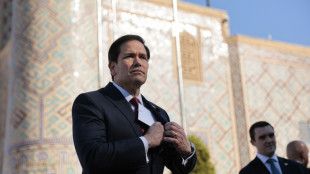
The leaders of Germany and the Netherlands, countries belonging to the so-called "frugals", offered a stark message before heading into discussions with their EU counterparts in Nicosia.

German Chancellor Friedrich Merz ruled out higher debt -- pushed by France -- and said it was time for the EU to choose its battles.

"We will be setting new priorities. This means that we will also have to reduce spending in the European budget in other areas," he told reporters.

He was echoed by Dutch Prime Minister Rob Jetten, who said the budget amount proposed by the commission "needs to be significantly reduced".

It was "unacceptable" for the Netherlands, one of the largest contributors to the EU budget, to see its contribution "really explode", Jetten added.

- 'Compromise' needed -

Any final agreement on the long-term budget will come after what are expected to be tense talks between the EU parliament and member states.

With critical elections next year including in France, the EU wants to get a deal before 2027 to avoid among others, the possible risk of a far-right French government causing a bigger headache in getting a deal over the line.

The next EU budget proposed that the bloc start paying off tens of billions of euros a year of its coronavirus-era debts, but some EU lawmakers oppose this and would like a rollover.

They also want an EU-wide tax on the world's biggest tech companies.

"We cannot solve all the crises and the difficulties we are facing. We need new money to service old debt, and that is something that we will ask the member states to look at," parliament chief Roberta Metsola said in Nicosia.

Commission chief Ursula von der Leyen said it was "indispensable" for the EU to develop new tax-based revenue sources.

"Without them, the choice is stark. It's either higher national contributions or it's lower spending capacity," she told a press conference after talks.

Irish Prime Minister Micheal Martin, whose country will hold the rotating EU presidency from July after Cyprus, said he expected challenging negotiations.

"There will have to be compromise," he said. "Some think the budget is too high as it is. Others think it's not high enough."

But the clock is ticking, European Council President Antonio Costa warned.

"We have a collective responsibility to reach an agreement by the end of the year," Costa said after talks in Nicosia ended.

Q.Yam--ThChM