The China Mail - Noisy humans harm birds and affect breeding success: study

USD -
AED 3.672503
AFN 61.999868
ALL 81.399019
AMD 371.251866
ANG 1.789884
AOA 917.999909
ARS 1392.042303
AUD 1.399384
AWG 1.8
AZN 1.695756
BAM 1.668415
BBD 2.010834
BDT 122.499467
BGN 1.668102
BHD 0.377394
BIF 2969.673704
BMD 1
BND 1.275325
BOB 6.898699
BRL 4.982701
BSD 0.998337
BTN 94.041373
BWP 13.522713
BYN 2.828151
BYR 19600
BZD 2.007933
CAD 1.36772
CDF 2315.000323
CHF 0.78626
CLF 0.022781
CLP 896.610387
CNY 6.836298
CNH 6.83644
COP 3554.48
CRC 454.339945
CUC 1
CUP 26.5
CVE 94.0627
CZK 20.800991
DJF 177.786308
DKK 6.382075
DOP 59.475368
DZD 132.362551
EGP 52.632404
ERN 15
ETB 154.33875
EUR 0.854011
FJD 2.20465
FKP 0.738979
GBP 0.739935
GEL 2.679755
GGP 0.738979
GHS 11.083813
GIP 0.738979
GMD 73.500865
GNF 8763.489017
GTQ 7.632331
GYD 208.871828
HKD 7.83485
HNL 26.529324
HRK 6.435898
HTG 130.705907
HUF 311.930981
IDR 17253
ILS 2.98605
IMP 0.738979
INR 94.25055
IQD 1307.826829
IRR 1316999.999754
ISK 122.810162
JEP 0.738979
JMD 157.551717
JOD 0.708965
JPY 159.527501
KES 129.090268
KGS 87.403199
KHR 3999.999821
KMF 419.99985
KPW 899.999962
KRW 1476.870195
KWD 0.30776
KYD 0.83199
KZT 463.757731
LAK 21876.732779
LBP 89402.943058
LKR 318.234165
LRD 183.194711
LSL 16.601322
LTL 2.95274
LVL 0.60489
LYD 6.334826
MAD 9.236938
MDL 17.361484
MGA 4148.432502
MKD 52.58264
MMK 2100.209098
MNT 3577.130302
MOP 8.056729
MRU 39.846449
MUR 46.82997
MVR 15.450146
MWK 1731.200682
MXN 17.412015
MYR 3.965048
MZN 63.909905
NAD 16.601322
NGN 1352.170226
NIO 36.741309
NOK 9.31561
NPR 150.466197
NZD 1.702605
OMR 0.38415
PAB 0.998337
PEN 3.461463
PGK 4.333547
PHP 60.630298
PKR 278.317253
PLN 3.62479
PYG 6330.560887
QAR 3.639411
RON 4.343401
RSD 100.166347
RUB 75.359868
RWF 1459.245042
SAR 3.750802
SBD 8.045307
SCR 14.798038
SDG 600.492558
SEK 9.242605
SGD 1.276745
SHP 0.746601
SLE 24.625002
SLL 20969.496166
SOS 570.526765
SRD 37.463505
STD 20697.981008
STN 20.899979
SVC 8.735338
SYP 110.524988
SZL 16.594583
THB 32.419895
TJS 9.384602
TMT 3.505
TND 2.915334
TOP 2.40776
TRY 45.020897
TTD 6.780124
TWD 31.492996
TZS 2598.250988
UAH 43.992664
UGX 3714.224781
UYU 39.547878
UZS 11994.881638
VES 483.16466
VND 26360
VUV 117.558638
WST 2.728507
XAF 559.570911
XAG 0.013334
XAU 0.000214
XCD 2.70255
XCG 1.799275
XDR 0.695927
XOF 559.570911
XPF 101.735978
YER 238.650102
ZAR 16.56995
ZMK 9001.197618
ZMW 18.893581
ZWL 321.999592
  • BCC

    0.3300

    84.15

    +0.39%

  • NGG

    0.4600

    87.42

    +0.53%

  • CMSC

    0.0400

    22.95

    +0.17%

  • GSK

    -1.1900

    54.44

    -2.19%

  • JRI

    0.0100

    12.89

    +0.08%

  • BCE

    -0.2200

    23.88

    -0.92%

  • CMSD

    0.0900

    23.32

    +0.39%

  • RIO

    0.7600

    99.61

    +0.76%

  • AZN

    -2.5500

    189.75

    -1.34%

  • BTI

    0.8100

    58.09

    +1.39%

  • RBGPF

    64.0000

    64

    +100%

  • VOD

    0.0100

    15.63

    +0.06%

  • BP

    -0.1000

    46.25

    -0.22%

  • RYCEF

    -0.1200

    15.3

    -0.78%

  • RELX

    0.4000

    36.53

    +1.09%

Noisy humans harm birds and affect breeding success: study
Noisy humans harm birds and affect breeding success: study / Photo: © GETTY IMAGES NORTH AMERICA/AFP

Noisy humans harm birds and affect breeding success: study

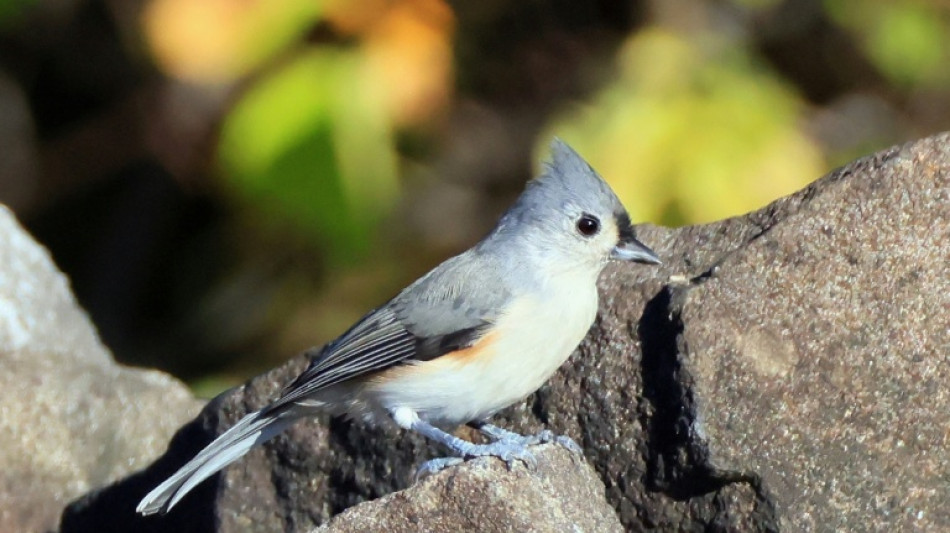
Noise pollution is affecting bird behaviour across the globe, disrupting everything from courtship songs to the ability to find food and avoid predators, a large-scale new analysis showed on Wednesday.

Text size:

Researchers reviewed nearly four decades of scientific work and found that noises made by humans were interfering with the lives of birds on six continents and having "strong negative effects" on reproduction success.

Previous research on individual species has shown that single sources of anthropogenic noise -- such as planes, traffic and construction -- can impact birds as it does other wildlife.

But for this study, the team performed a wider analysis by pooling data published since 1990 across 160 bird species to see if any broader trends could be established.

The study, published in the journal Proceedings of the Royal Society B, found clear evidence of a "pervasive" impact of noise pollution on birds worldwide.

"We found that noise significantly impacts communication risk behaviours, foraging, aggression and physiology and had a strong effect on habitat use and a negative impact on reproduction," it said.

This is because birds rely on acoustic information to survive, making them particularly vulnerable to the modern din produced by cars, machinery and urban life.

"They use song to find mates, calls to warn of predators, and chicks make begging calls to let their parents know they're hungry," Natalie Madden, who led the research while at the University of Michigan, said in a statement.

"So if there's loud noise in the environment, can they still hear signals from their own species?"

In some cases, noise pollution interrupted mating displays, caused males to change their courtship songs, or masked messages between chicks and parents.

- Underappreciated consequence -

The response varied between species, with birds that nest close to the ground suffering greater reproductive harm, while those using open nests experienced stronger effects on growth.

Birds living in urban areas, meanwhile, tended to have higher levels of stress hormones than those outside of cities.

The authors said that noise pollution was an "underappreciated consequence" of humanity's impact on nature, especially compared to the twin drivers of biodiversity loss and climate change.

Some 61 percent of the world's bird species have declining populations, the International Union for Conservation of Nature said in October.

But many solutions to combat noise pollution already existed, said the study's senior author Neil Carter, from the University of Michigan.

For example, buildings are constructed to improve visibility and minimise bird collisions and in much the same way, could be adapted to stifle sound.

"So many of the things we're facing with biodiversity loss just feel inexorable and massive in scale, but we know how to use different materials and how to put things up in different ways to block sound," he said.

"We know what to use and how to use it, we just have to get enough awareness and interest in doing it."

F.Brown--ThChM