20,000 Salmon Return to Klamath River Following Dam Removal, Yet Recovery Faces Ongoing Challenges

More than 20,000 fall-run chinook salmon have migrated up the Klamath River in the two years since the removal of four major dams, marking a rapid biological response. Despite this success, experts warn that remaining infrastructure, complex water allocation disputes, and persistent drought conditions continue to pose significant hurdles for the river's full ecological recovery.
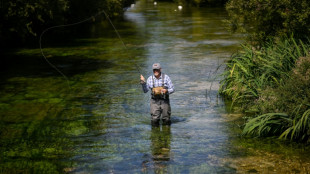
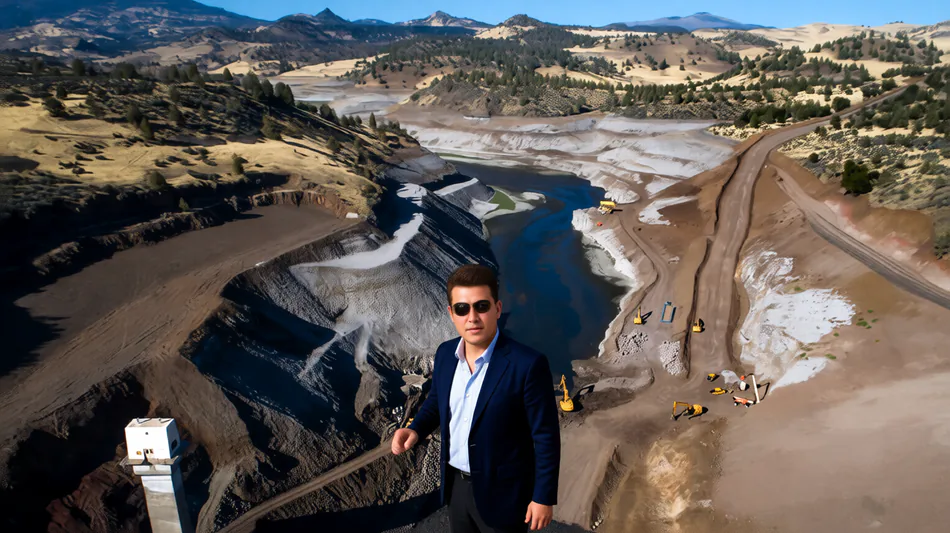
In August 2024, excavation crews breached the final of four dams on the Klamath River in far northern California, ending a century-long barrier that prevented salmon from accessing upstream habitats. Now, new research published Thursday reveals that in the two years since that completion, more than 20,000 chinook salmon have migrated up the river, with many passing the former dam sites to reach traditional spawning grounds.
The biological response has been much faster than I, and most of us, expected, said Damon Goodman, lead author of the study and Mount Shasta-Klamath regional director for Cal Trout. We expected salmon to eventually recolonize habitat above the former dams, but within two years we’ve seen thousands of Chinook salmon moving into the upper basin and spawning across an enormous portion of their historic range.
The salmon runs on the Klamath hold ceremonial, spiritual, and nutritional significance for indigenous tribes in the region. Historically, these runs were among the most productive in the western United States. The four dams, constructed by PacifiCorp in the early and mid-20th century to generate electricity, blocked passage for migrating salmon and altered the river’s natural hydrology. This alteration increased water temperatures and flooded naturally cold springs, disrupting the ecosystem.
In 2002, over 30,000 fish, predominantly salmon, died on the Klamath, marking the largest salmon kill in history. The event helped spark a tribally led, years-long effort to remove the four dams, a task ultimately completed in the fall of 2024.
Following dam removal, water quality improved as high-temperature, algae-bloom-prone reservoirs returned to natural flows. Chinook salmon repopulated close to 90 percent of their previous range, and imperiled coho salmon, steelhead, and Pacific lamprey all returned within the first year.
But recovery on the Klamath is far from simple, and challenges over water rights and drought remain. It’s not a magic bullet. There are still plenty of issues with the Klamath, George Pess, CEO of the Portland-based nonprofit Conservation Angler and former NOAA fisheries scientist, said of dam removal. It’s not going to be a linear ascent to recovery.
Even now that the PacifiCorp dams are gone, two dams with fish passage regulate flows on the river. The federal Bureau of Reclamation manages the Link River and Keno dams, located below Klamath Lake as part of the Klamath Project, which allocates water to farmers, fish, tribes, and other stakeholders.
I think a lot of people think that the removal of those dams created an entirely dam-free, free-flowing river condition. And that’s true for a large part of the river, but it’s not the complete story, said Mark Bransom, chief executive officer of the Klamath River Renewal Corp., the nonprofit organization established to remove the PacifiCorp dams and restore the former dam sites.
It is unclear how well salmon are passing through the Keno and Link River dams. The Keno dam does not meet federal and state standards for migratory fish passage and was not designed for salmon passage in the first place, leaving many fish unable to pass through its fish ladder.
In 2024, zero fall-run salmon were confirmed passing through the Keno dam. In 2025, a new motion-sensor camera operating in the daytime captured 2,497 fish swimming through the dam and just 210 salmon swimming through the Link River dam into Upper Klamath Lake. Work to understand and improve fish passage at both dams is ongoing.
The Bureau Reclamation is working with partners, including the Oregon Department of Fish and Wildlife and NOAA Fisheries, to improve fish passage at the Keno and Link River dams, a spokesman for the bureau said. Together, the agencies are assessing current conditions and advancing solutions that support migrating fish.
But controversy over the Keno and Link River dams does not stop at their fish ladders. Water allocations for the Klamath Project, which the two dams control, have long caused conflict and continue to stress the river as it recovers. The Klamath Project serves over 240,000 acres of farmland through hundreds of miles of irrigation infrastructure. In low-water years, agricultural releases are curtailed, as are flows on the river’s main stem and into surrounding wetlands. It is the order in which this curtailment happens that is controversial.
For years, tribes and conservation groups have fought to maintain water levels for imperiled salmon in the river’s main channel and endangered suckers that predominantly live in Upper Klamath Lake. The record-setting fish kill, which helped spark dam removal efforts in 2002, was caused, in part, by low water levels during which the bureau prioritized agricultural releases. The low water levels, combined with hot reservoirs created by the dams, produced lethal conditions.
Now, debates over flows have once again reached the courts. In June, the 9th U.S. Circuit Court of Appeals, in a split decision, affirmed standing precedent that the bureau has discretion to release water for imperiled salmon and sucker fish survival on the Klamath ahead of long-standing agricultural contracts, which are dependent on water availability. In other words, an obligation to meet agricultural contracts does not supersede compliance with the Endangered Species Act.
The Klamath Water Users Association, which represents agricultural interests in the region, disputes the court’s decision and has asked for a judicial review of the finding. This is not about farmers versus fish or that we don’t believe the ESA should apply to the Klamath Project, but how it is applied, said Elizabeth Nielsen, executive director of the Klamath Water Users Association.
For others in the region, the ruling is an exciting step towards stability. The minimum water levels are akin to life support for humans, said Amy Cordalis, executive director of Ridges to Riffles Indigenous Conservation Group and attorney for the Yurok Tribe. Maintaining this minimum flow will allow the river to heal and for everyone in the basin to benefit from recovery, she said. We’re just trying to move back into balance.
The renewed success of salmon also presents new challenges to the Klamath Project. In 2025, irrigation managers spotted the dorsal fin of a chinook salmon break through the surface of the Ady Canal, a key agricultural diversion in the Klamath Drainage District that supplies water to agricultural users and the Lower Klamath Wildlife Refuge. And while work is ongoing to screen salmon from areas where they could get trapped, some managers believe that existing agricultural diversions, like Ady, could help connect salmon to habitat.
I am concerned about fish getting trapped in the irrigation canals, but also want to proceed cautiously because the irrigation project is sitting right in the middle of a natural wetland, said Toz Soto, senior research and policy advisor and fisheries biologist with the Karuk Tribe. Some of those irrigation canals could be good rearing habitat for juvenile salmon if they can get in and out.
Work on designing the Ady Canal for salmon passage is in the early stages but the implications of potential failure are clear. Nobody wants to see a salmon flopping around out in one of our fields, said Scott White, general manager of the Klamath Drainage District. There is a point of no return, and if [a salmon] does get out into a field, that is a point of no return.
While dam removal increased the resiliency of the Klamath by reconnecting cold tributaries where salmon and other species can survive, low snowpack, drought, and higher river temperatures have hit the river hard in 2026. Removing the dams did not remove climate risk, said Goodman.
Due to low snowpack levels, the Bureau reduced flows to below-normal levels for much of the spring. The Yurok Tribe and Earth Justice challenged the curtailments, citing violation of the Endangered Species Act. And this summer, as water levels remained low, an outbreak of Ceratonova Shasta—an infection which attacks a fish’s intestinal tract—wreaked havoc on the juvenile chinook salmon population, killing hundreds of fish, many of them hatchery fish released from the Fall Creek Hatchery at a very unfavorable time, Soto said. Wild, fall-run salmon ran earlier in the season, largely avoiding the outbreak.
But other species in the basin have not rebounded as strongly as the wild fall-run chinook. This year, low water in the Tule Lake National Wildlife Refuge, whose water is curtailed as part of the Klamath Project, created a perfect breeding ground for botulism spores, killing 13,730 birds. On the river, imperiled suckers in Upper Klamath Lake continue to struggle with declining population numbers. Spring-run Chinook salmon, which swim up the river in the spring and hold over in cold water during the summer, have yet to return. An effort to restore the fish is underway.
Regardless of challenges, only time will tell how recovery spreads out across the basin. We have an extraordinary opportunity to see whether restored connectivity can translate into a self-sustained, resilient fish population, Goodman said. But that process is going to unfold over the next decade.
T.Luo--ThChM