From Discord to Bitchat, tech at the heart of Nepal protests / Photo: © AFP

From sparking protests that toppled the prime minister to giving young people a platform to discuss their country's political future, social media was key to Nepal's extraordinary uprising this week.
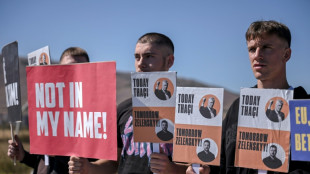
Fuelled in part by anger over flashy lifestyles flaunted by elites, young anti-corruption demonstrators mainly in their 20s rallied on Monday.
The loose grouping, largely viewed as members of "Gen Z", flooded the capital Kathmandu to demand an end to a ban on Facebook, YouTube and other popular sites.
The rallies ended in chaos and tragedy, with at least 19 protesters killed in a police crackdown on Monday. The apps were restored, but protests widened in anger.
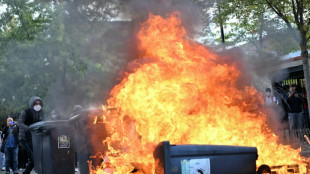
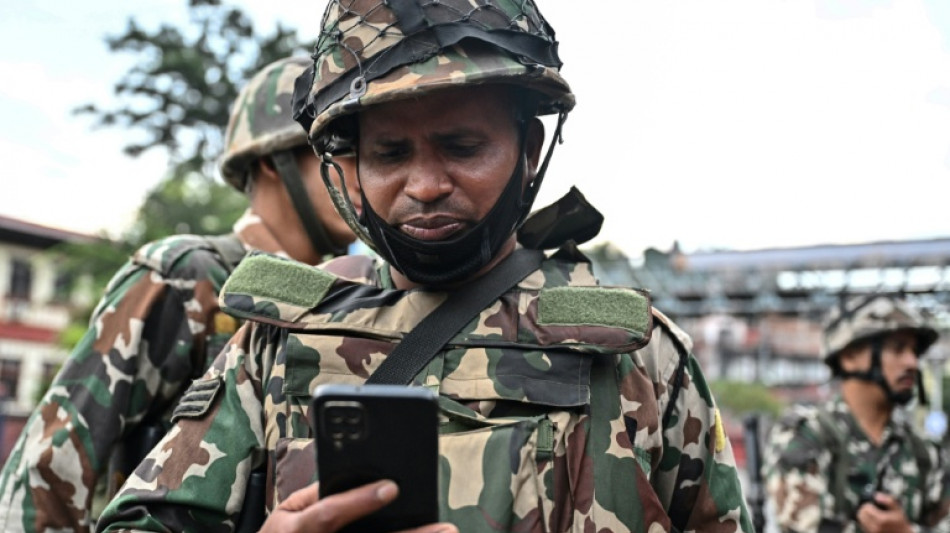
On Tuesday, other Nepalis joined the crowds. Parliament was set ablaze, KP Sharma Oli resigned as prime minister, and the army took charge of the streets.
Now, many activists are taking to the US group-chat app Discord to talk over their next steps.
One server with more than 145,000 members has hosted feverish debate about who could be an interim leader, with many pushing 73-year-old former chief justice Sushila Karki.
It is just one example of how social media has driven demands for change.
- 'Fuelled the fire' -
More than half of Nepal's 30 million people are online, according to the World Bank.
Days before the protests, many had rushed to VPN services -- or virtual private networks -- to evade blocks on platforms.
Fears of a wider internet shutdown also drove a surge in downloads for Bluetooth messaging app Bitchat, created by tech billionaire Jack Dorsey.
"Tech played... an almost decisive role," journalist Pranaya Rana told AFP.
"The whole thing started with young people posting on social media about corruption, and the lavish lives that the children of political leaders were leading."
Hashtags such as #NepoKids, short for nepotism, compared the designer clothing and luxury holidays shown off in their Instagram posts to the difficulties faced by ordinary Nepalis.
One post liked 13,000 times accused politicians' children of "living like millionaires", asking: "Where is the tax money going?"
"NepoKids was trending all the time," including in rural areas where Facebook is popular, said rights activist Sanjib Chaudhary.
"This fuelled the fire" of anger that "has been growing for a long time", he said.
- 'Seriously underestimated' -
Deep dissatisfaction lies behind the social unrest in the Himalayan nation, among young people exasperated with slow economic development and political instability.
The government's social media ban "wasn't trying to suppress" the NepoKids trend, but the timing meant people "saw it as an attack on their freedom of speech", Rana said.
A week ago, Nepal said it would block access to 26 social media platforms, from Facebook to X and LinkedIn, for failing to meet a deadline to register in the country.
Those that had registered, including TikTok and Viber, remained online.
Nepal has restricted access to online platforms in the past, including Telegram in July.
Last year, the government lifted a nine-month ban on TikTok after it agreed to comply with Nepali regulations.
The government wanted companies to give them the power to "prohibit broad categories of speech such as 'misinformation' or content deemed to disrupt 'social harmony'", Felicia Anthonio from the US digital rights group Access Now told AFP.
Swiss-based company Proton VPN said Monday that sign-ups from Nepal had shot up 6,000 percent in three days.
Interest rose in Dorsey's Bitchat platform, which works offline and describes itself as way to resist censorship.
"There when you need it," wrote Dorsey on X, citing a post describing a "sudden spike" in Bitchat downloads during the protests in Indonesia and Nepal.
Chaudhary said the government "seriously underestimated the power of social media".
D.Wang--ThChM