The China Mail - Germany plans 10-bn-euro inflation relief tax package

USD -
AED 3.672497
AFN 65.00009
ALL 81.400376
AMD 360.509982
ANG 1.789785
AOA 917.000057
ARS 1541.735973
AUD 1.417686
AWG 1.8
AZN 1.696617
BAM 1.756231
BBD 2.013047
BDT 124.13403
BGN 1.747831
BHD 0.377304
BIF 3001.5
BMD 1
BND 1.281647
BOB 12.038845
BRL 5.345907
BSD 0.99943
BTN 95.119137
BWP 13.826143
BYN 2.945822
BYR 19600
BZD 2.010084
CAD 1.39907
CDF 2314.508525
CHF 0.82872
CLF 0.025017
CLP 987.819744
CNY 6.66605
CNH 6.65996
COP 3168.28
CRC 454.457699
CUC 1
CUP 23.987213
CVE 99.225031
CZK 21.852504
DJF 177.720248
DKK 6.70457
DOP 60.369927
DZD 135.214878
EGP 56.020302
ERN 15
ETB 161.249868
EUR 0.897015
FJD 2.23975
FKP 0.75114
GBP 0.750865
GEL 2.567499
GGP 0.75114
GHS 11.649675
GIP 0.75114
GMD 73.49929
GNF 8795.00026
GTQ 7.63805
GYD 209.438376
HKD 7.844895
HNL 26.999669
HRK 6.76901
HTG 130.948372
HUF 329.160497
IDR 18142.75
ILS 3.123155
IMP 0.75114
INR 95.21005
IQD 1514.5
IRR 1864649.999758
ISK 121.82018
JEP 0.75114
JMD 158.527332
JOD 0.708972
JPY 158.007503
KES 129.959717
KGS 87.4486
KHR 4075.499459
KMF 441.999784
KPW 899.999961
KRW 1339.894972
KWD 0.31089
KYD 0.832963
KZT 455.005455
LAK 22525.000462
LBP 89947.495554
LKR 332.317142
LRD 170.240203
LSL 16.670202
LTL 2.95274
LVL 0.60489
LYD 6.430147
MAD 9.853046
MDL 17.990957
MGA 4589.999823
MKD 55.214064
MMK 2099.630718
MNT 3601.077836
MOP 8.076272
MRU 40.198647
MUR 47.549903
MVR 15.460281
MWK 1736.999655
MXN 18.63563
MYR 4.076298
MZN 63.880379
NAD 16.67017
NGN 1345.480151
NIO 36.791881
NOK 9.25785
NPR 152.193532
NZD 1.77859
OMR 0.384504
PAB 0.999421
PEN 3.452014
PGK 4.489898
PHP 63.911015
PKR 276.649743
PLN 3.949902
PYG 5850.263778
QAR 3.64525
RON 4.798595
RSD 105.397999
RUB 80.500339
RWF 1477.5
SAR 3.753464
SBD 8.064705
SCR 13.835869
SDG 601.501083
SEK 9.910755
SGD 1.28179
SHP 0.750582
SLE 22.95014
SLL 20969.504398
SOS 571.501551
SRD 37.6155
STD 20697.981008
STN 22.05
SVC 8.745235
SYP 13001.999685
SZL 16.620088
THB 33.724008
TJS 9.205205
TMT 3.51
TND 3.00825
TOP 2.40776
TRY 49.834701
TTD 6.78409
TWD 32.390799
TZS 2644.423021
UAH 45.57773
UGX 4352.413493
UYU 40.211023
UZS 11989.999888
VES 887.00815
VND 25856.5
VUV 118.98361
WST 2.767767
XAF 588.403499
XAG 0.018613
XAU 0.000247187317
XCD 2.70255
XCG 1.801308
XDR 0.707052
XOF 588.403499
XPF 107.375016
YER 236.175032
ZAR 16.622945
ZMK 9001.200048
ZMW 20.164415
ZWL 321.999592
SSP 5745.470209
MXV 2.101411
  • RYCEF

    0.4000

    19.71

    +2.03%

  • CMSC

    0.0000

    20.4

    0%

  • BTI

    0.4200

    56.05

    +0.75%

  • BP

    0.2800

    44.43

    +0.63%

  • RBGPF

    1.6000

    67

    +2.39%

  • RIO

    -0.1500

    94.41

    -0.16%

  • AZN

    -0.4300

    166.15

    -0.26%

  • GSK

    0.4600

    49.7

    +0.93%

  • BCE

    -0.4100

    20.56

    -1.99%

  • NGG

    -0.2500

    75.24

    -0.33%

  • VOD

    -0.0400

    16.58

    -0.24%

  • RELX

    -0.4500

    33.07

    -1.36%

  • BCC

    -0.5500

    76.59

    -0.72%

  • CMSD

    -0.0300

    20.27

    -0.15%

  • JRI

    -0.2500

    10.77

    -2.32%

Germany plans 10-bn-euro inflation relief tax package
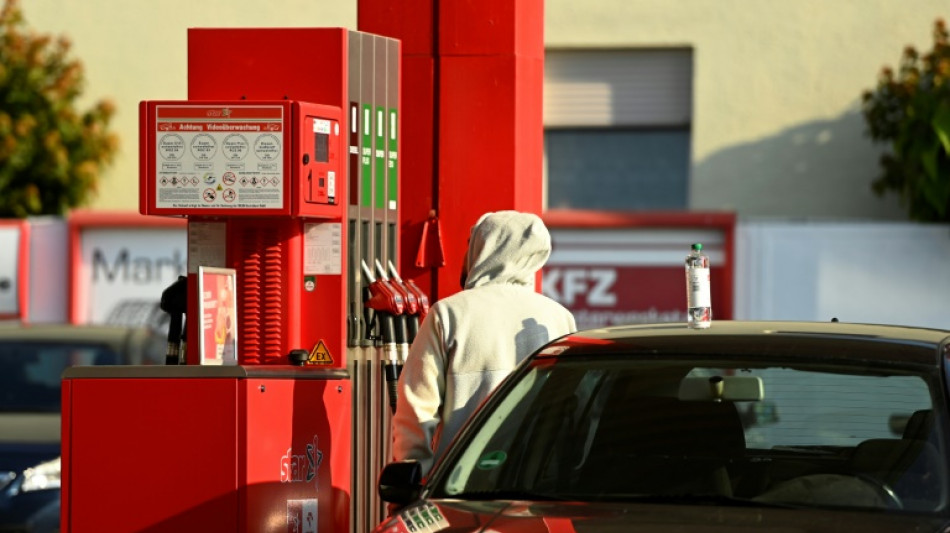
Germany plans 10-bn-euro inflation relief tax package / Photo: © AFP/File

Germany plans 10-bn-euro inflation relief tax package

Germany will offer tax relief worth 10 billion euros ($10.2 billion) to help workers cope with soaring inflation, Finance Minister Christian Lindner said Wednesday.

Text size:

The package will raise base tax-free allowance as well as bring up the level from which the top income tax rate of 42 percent will apply. Families will also benefit from higher tax exemptions for dependent children.

Inflation in Germany reached 7.5 percent in July, fractionally lower than the 7.6 percent recorded in June, fuelled mainly by energy prices that soared following Russia's invasion of Ukraine.

Lindner said his plan is aimed primarily at fighting the problem of employees who find themselves with a higher tax burden because they have received a pay increase to combat inflation.

As a result, the gain the workers have received is wiped out essentially by the higher taxes due.

The phenomenon, called "cold progression", also typically hits lower incomes harder.

Lindner said 48 million Germans would be facing higher taxes from January 2023 if no relief was offered.

"For the state to benefit at a time when daily life is becoming more expensive... that is not fair and also dangerous for economic development," said Lindner.

- Double whammy -

The tax relief measures come on top of a 30 billion euro package unleashed by Chancellor Olaf Scholz earlier this year to help consumers beat inflation.

The earlier package included a fuel tax cut and a public transport ticket valid across Germany priced at just 9 euros a month for June, July and August.

But it is clear that the clouds hanging over Europe's biggest economy are only darkening as the country heads into the colder months.

The Ukraine conflict has derailed Germany's hopes of finally shaking off the coronavirus pandemic and roaring back to growth.

With its export-oriented industries, Germany has been particularly vulnerable to the supply chain bottlenecks and raw material shortages caused by the pandemic.

But now, Germans are also staring down the barrel of doubling energy bills, after Russia drastically curtailed its supply following its invasion of Ukraine.

The power crunch is not only nibbling away at consumers' purchasing power but also hurting German industry, much of which relies on cheap energy supplies to manufacture exports.

Employees in Europe's biggest economy are therefore facing the double whammy of higher costs and a growing threat of job losses as major companies mull idling some factories because it may no longer be cost effective to keep production lines running.

German growth stagnated in the second quarter of the year, but analysts have warned that a recession in the second half will be inevitable.

At their last forecast in March, the German government's economic advisers estimated that gross domestic product will expand by 1.8 percent for 2022.

Y.Su--ThChM