The China Mail - Study shows plug-in hybrids polluting far more than expected

USD -
AED 3.672987
AFN 64.505413
ALL 79.681969
AMD 363.314944
ANG 1.790365
AOA 917.999867
ARS 1514.224301
AUD 1.403706
AWG 1.8025
AZN 1.69611
BAM 1.703184
BBD 2.013646
BDT 122.674864
BGN 1.683441
BHD 0.37701
BIF 2995
BMD 1
BND 1.27508
BOB 9.817864
BRL 5.108797
BSD 0.999813
BTN 95.741151
BWP 13.568577
BYN 3.014404
BYR 19600
BZD 2.010772
CAD 1.40301
CDF 2309.999892
CHF 0.821399
CLF 0.024005
CLP 947.870031
CNY 6.695398
CNH 6.69284
COP 3203.86
CRC 447.264035
CUC 1
CUP 26.5
CVE 96.354668
CZK 21.210995
DJF 177.720035
DKK 6.519602
DOP 55.480032
DZD 133.826665
EGP 51.919974
ERN 15
ETB 163.266874
EUR 0.872098
FJD 2.237703
FKP 0.746662
GBP 0.747915
GEL 2.598711
GGP 0.746662
GHS 11.514967
GIP 0.746662
GMD 73.499164
GNF 8755.000583
GTQ 7.630277
GYD 209.132512
HKD 7.84585
HNL 26.838338
HRK 6.570701
HTG 130.669151
HUF 315.286007
IDR 17876
ILS 3.01405
IMP 0.746662
INR 95.79565
IQD 1309.739445
IRR 1374849.99978
ISK 120.510281
JEP 0.746662
JMD 157.569319
JOD 0.708978
JPY 157.482503
KES 129.500773
KGS 87.449497
KHR 4051.153211
KMF 430.000028
KPW 900.000318
KRW 1374.409894
KWD 0.30843
KYD 0.833134
KZT 448.570296
LAK 22396.2937
LBP 89529.353879
LKR 330.474084
LRD 172.957769
LSL 16.267765
LTL 2.95274
LVL 0.60489
LYD 6.368434
MAD 9.527745
MDL 17.560513
MGA 4363.785198
MKD 53.573917
MMK 2099.622693
MNT 3595.947098
MOP 8.079142
MRU 40.181308
MUR 47.660011
MVR 15.450175
MWK 1733.583555
MXN 17.224102
MYR 4.078017
MZN 63.910189
NAD 16.267765
NGN 1329.22987
NIO 36.79288
NOK 9.442503
NPR 153.18619
NZD 1.74909
OMR 0.384502
PAB 0.999726
PEN 3.37493
PGK 4.452592
PHP 62.748954
PKR 277.059879
PLN 3.789701
PYG 5950.431935
QAR 3.654295
RON 4.591022
RSD 102.300338
RUB 83.749319
RWF 1470.6766
SAR 3.755068
SBD 8.000512
SCR 13.878121
SDG 601.501353
SEK 9.838485
SGD 1.27635
SHP 0.747524
SLE 24.649683
SLL 20969.491881
SOS 571.358904
SRD 37.710504
STD 20697.981008
STN 21.335609
SVC 8.747562
SYP 13002.000254
SZL 16.265572
THB 33.250311
TJS 9.222905
TMT 3.51
TND 2.943779
TOP 2.40776
TRY 48.801798
TTD 6.793432
TWD 31.733299
TZS 2640.002957
UAH 44.758256
UGX 3929.235445
UYU 40.171729
UZS 11826.842692
VES 847.485098
VND 26022.5
VUV 117.918556
WST 2.750287
XAF 572.058947
XAG 0.015151
XAU 0.00023
XCD 2.70255
XCG 1.801858
XDR 0.707052
XOF 572.058947
XPF 103.856068
YER 236.550209
ZAR 16.251198
ZMK 9001.198309
ZMW 19.520776
ZWL 321.999592
SSP 5712.013969
MXV 1.952361
  • RBGPF

    -1.6900

    68.3

    -2.47%

  • CMSC

    0.0400

    20.75

    +0.19%

  • RYCEF

    -0.0100

    19.99

    -0.05%

  • VOD

    0.0850

    17.035

    +0.5%

  • RIO

    -0.3000

    97.07

    -0.31%

  • RELX

    0.0150

    33.425

    +0.04%

  • GSK

    0.9350

    51.155

    +1.83%

  • NGG

    -0.1600

    76.64

    -0.21%

  • AZN

    2.4000

    168.48

    +1.42%

  • BCC

    0.5900

    76.28

    +0.77%

  • BP

    -1.3300

    43.25

    -3.08%

  • BTI

    0.0450

    55.875

    +0.08%

  • JRI

    -0.0300

    11.52

    -0.26%

  • BCE

    -0.1150

    21.945

    -0.52%

  • CMSD

    0.1100

    20.56

    +0.54%

Study shows plug-in hybrids polluting far more than expected
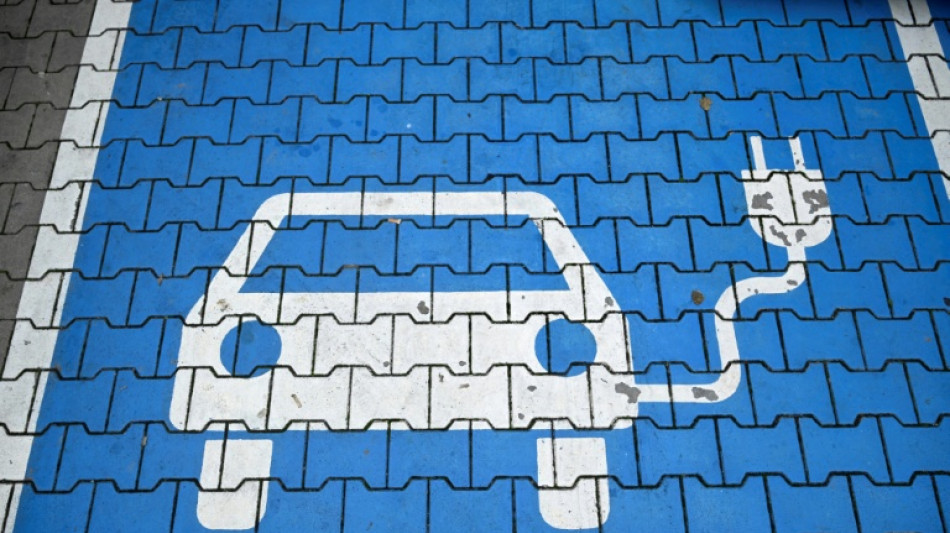
Study shows plug-in hybrids polluting far more than expected / Photo: © AFP

Study shows plug-in hybrids polluting far more than expected

Plug-in hybrids have enjoyed a surge in popularity but a study published Thursday showed they are polluting far more than most buyers think, as they run on batteries less than regulators expected.

Text size:

The study by the International Council on Clean Transportation (ICCT), a lobbying group, looked at data from the onboard monitors of roughly 920,000 plug-in hybrids registered between 2021 and 2023.

It found a "substantial and fast-growing gap between real-world and type-approval CO2 emissions for PHEVs registered in 2021–2023".

The type-approval norms include an assumption by regulators about the pollution the vehicles would emit based on the distances they would be driving using the battery and the distances using internal combustion engines.

But the study found that average CO2 emissions in real-world driving were 3.5 times higher than the 2021 type-approval values, and 4.6 times higher than the 2023 type-approval values.

The growing difference was due to an assumption that bigger batteries would lead to increased driving on battery power, but the real-world use data did not bear this out.

The divergence "misleads consumers about expected energy costs" with plug-in hybrids, the ICCT said, as well as unduly opening them up to incentive schemes and skewing the determination whether automakers are complying with emissions rules.

The ICCT, which was behind the 2015 revelations about diesel emissions that became known as the "Dieselgate" scandal, urged the EU to not delay a planned 2027 update to the calculations that would reduce the discrepancy with real-world emissions.

It also called on the EU to use real-world data to guide further updates.

The publication of the study comes as certain automakers, particularly German carmakers, want to see plug-in hybrids continue to be included in the EU's strategy to decarbonise the auto sector.

Pushed by Germany, the EU last December abandoned its plans to ban the registration of new internal combustion engine vehicles in 2035.

Instead, carmakers are supposed to reduce CO2 levels by 90 percent from 2021 levels and compensate the remaining 10 percent.

However, Germany and its allies want the rules loosened further to give more place to hybrid vehicles, according to press reports.

C.Mak--ThChM