The China Mail - Climate change quickly warming Scottish lochs: study

USD -
AED 3.67315
AFN 63.503991
ALL 83.375041
AMD 377.180403
ANG 1.790083
AOA 917.000367
ARS 1383.990604
AUD 1.452433
AWG 1.8
AZN 1.70397
BAM 1.69972
BBD 2.014322
BDT 122.712716
BGN 1.709309
BHD 0.377349
BIF 2968.5
BMD 1
BND 1.28787
BOB 6.936019
BRL 5.255304
BSD 1.000117
BTN 94.794201
BWP 13.787919
BYN 2.976987
BYR 19600
BZD 2.011341
CAD 1.38995
CDF 2282.50392
CHF 0.798523
CLF 0.023433
CLP 925.260396
CNY 6.91185
CNH 6.92017
COP 3680.29
CRC 464.427092
CUC 1
CUP 26.5
CVE 96.12504
CZK 21.309304
DJF 177.720393
DKK 6.492704
DOP 59.72504
DZD 133.275765
EGP 52.642155
ERN 15
ETB 156.62504
EUR 0.866104
FJD 2.260391
FKP 0.75231
GBP 0.75375
GEL 2.680391
GGP 0.75231
GHS 10.97039
GIP 0.75231
GMD 73.503851
GNF 8780.000355
GTQ 7.653901
GYD 209.354875
HKD 7.82605
HNL 26.510388
HRK 6.545204
HTG 131.099243
HUF 338.020388
IDR 16990.8
ILS 3.13762
IMP 0.75231
INR 94.864204
IQD 1310
IRR 1313250.000352
ISK 124.760386
JEP 0.75231
JMD 157.422697
JOD 0.70904
JPY 160.29904
KES 129.903801
KGS 87.450384
KHR 4012.00035
KMF 428.00035
KPW 899.886996
KRW 1508.00035
KWD 0.30791
KYD 0.833446
KZT 483.490125
LAK 21900.000349
LBP 89550.000349
LKR 315.037957
LRD 183.625039
LSL 17.160381
LTL 2.95274
LVL 0.60489
LYD 6.375039
MAD 9.344504
MDL 17.566669
MGA 4175.000347
MKD 53.384435
MMK 2102.490525
MNT 3571.507434
MOP 8.069509
MRU 40.120379
MUR 46.770378
MVR 15.450378
MWK 1737.000345
MXN 18.121104
MYR 3.924039
MZN 63.950377
NAD 17.160377
NGN 1383.460377
NIO 36.720377
NOK 9.70286
NPR 151.667079
NZD 1.740645
OMR 0.385081
PAB 1.000109
PEN 3.459504
PGK 4.309039
PHP 60.550375
PKR 279.203701
PLN 3.72275
PYG 6538.855961
QAR 3.65325
RON 4.427304
RSD 101.818038
RUB 81.419514
RWF 1461
SAR 3.752351
SBD 8.042037
SCR 14.429246
SDG 601.000339
SEK 9.47367
SGD 1.292804
SHP 0.750259
SLE 24.550371
SLL 20969.510825
SOS 571.503662
SRD 37.601038
STD 20697.981008
STN 21.35
SVC 8.75063
SYP 111.824334
SZL 17.160369
THB 32.860369
TJS 9.556069
TMT 3.5
TND 2.926038
TOP 2.40776
TRY 44.433404
TTD 6.795201
TWD 32.044404
TZS 2576.487038
UAH 43.837189
UGX 3725.687866
UYU 40.481115
UZS 12205.000334
VES 467.928355
VND 26337.5
VUV 119.756335
WST 2.77551
XAF 570.070221
XAG 0.014291
XAU 0.000222
XCD 2.70255
XCG 1.802452
XDR 0.706792
XOF 568.000332
XPF 104.103591
YER 238.603589
ZAR 17.119995
ZMK 9001.203584
ZMW 18.826586
ZWL 321.999592
  • RBGPF

    -13.5000

    69

    -19.57%

  • GSK

    -0.1000

    53.84

    -0.19%

  • VOD

    -0.1400

    14.49

    -0.97%

  • RIO

    0.8500

    86.64

    +0.98%

  • CMSC

    -0.0500

    22.77

    -0.22%

  • AZN

    5.0200

    188.42

    +2.66%

  • BTI

    0.3749

    57.8

    +0.65%

  • RYCEF

    -0.5900

    14.65

    -4.03%

  • RELX

    -0.1000

    31.97

    -0.31%

  • NGG

    -0.4800

    81.92

    -0.59%

  • BP

    0.5100

    46.68

    +1.09%

  • JRI

    -0.2700

    11.8

    -2.29%

  • CMSD

    -0.0900

    22.66

    -0.4%

  • BCE

    -0.2200

    25.25

    -0.87%

  • BCC

    0.1400

    74.43

    +0.19%

Climate change quickly warming Scottish lochs: study
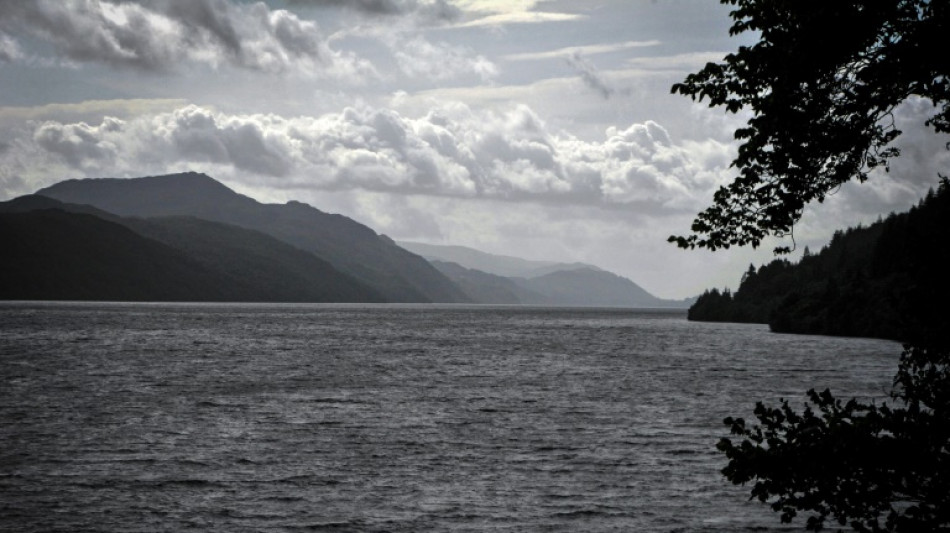
Climate change quickly warming Scottish lochs: study / Photo: © AFP

Climate change quickly warming Scottish lochs: study

Climate change has caused a rapid and extensive rise in temperature in Scotland's lochs and reservoirs, according to research published on Tuesday that predicts the trend will continue if nothing is done.

Text size:

Between 2015 and 2019, 97 percent of monitored Scottish lochs and reservoirs increased in temperature, with most (88 percent) warming by between 0.25 and 1.0 degrees Celsius per year over the period, the Scotland's Centre of Expertise for Waters (CREW) said.

A small number,9 percent, increased by 1.0 to 1.3 degrees Celsius per year in the same period.

"This research has shown, for the first time, that climate change is already warming our lochs and reservoirs in Scotland, and that this trend is likely to continue," said freshwater ecologist Linda May, of the UK Centre for Ecology & Hydrology, who was the lead author of the report.

"It provides early warning of the potential impacts of climate change on biodiversity, water supply and recreational use, and highlights the need for mitigation measures to be put in place as quickly as possible."

It is expected that waters in the south and east of Scotland are expected to warm the most at first, but this climate-related impact will reach all parts of the country by 2040.

Researchers warn that warming and changes in rainfall patterns associated with climate change increase the risk of outbreaks of harmful algal blooms, which outcompete other freshwater plant species and produce toxins that can affect animals and people.

Scotland's Environment Minister Mairi McAllan said the research provided "yet more worrying evidence" of the risks of harm from climate change on Scotland's water environment.

"Scotland is renowned worldwide for the quality of our water," she said.

"Research like this will be hugely valuable in informing the development of policy solutions and measures to mitigate and adapt to climate change, and also protect, restore and enhance these vital natural assets."

The report recommends reducing the amount of phosphorus and nitrogen entering lochs and reservoirs from their catchments as these are the main driver of algal blooms.

Sources of these plant nutrients -- present in synthetic fertilisers as well as human and animal waste -- include farm runoff and waste water discharges.

D.Pan--ThChM