The China Mail - Trump's expanded tariff risk

USD -
AED 3.672501
AFN 62.50053
ALL 82.049896
AMD 368.642993
ANG 1.79046
AOA 918.000109
ARS 1427.2525
AUD 1.393126
AWG 1.8025
AZN 1.702442
BAM 1.681396
BBD 2.01679
BDT 122.910935
BGN 1.66992
BHD 0.377673
BIF 2981.013502
BMD 1
BND 1.279321
BOB 6.918815
BRL 5.025899
BSD 1.001294
BTN 95.070861
BWP 13.443319
BYN 2.766284
BYR 19600
BZD 2.013867
CAD 1.384975
CDF 2260.000127
CHF 0.78598
CLF 0.022682
CLP 892.720368
CNY 6.76525
CNH 6.762205
COP 3567.02
CRC 454.953813
CUC 1
CUP 26.5
CVE 94.795755
CZK 20.851102
DJF 178.310601
DKK 6.419965
DOP 58.476868
DZD 133.212
EGP 52.000199
ERN 15
ETB 157.950356
EUR 0.85896
FJD 2.19495
FKP 0.743127
GBP 0.742649
GEL 2.660316
GGP 0.743127
GHS 11.775427
GIP 0.743127
GMD 73.000311
GNF 8777.774434
GTQ 7.63851
GYD 209.490159
HKD 7.838185
HNL 26.569574
HRK 6.470604
HTG 131.080878
HUF 304.963498
IDR 17834.45
ILS 2.817299
IMP 0.743127
INR 95.123098
IQD 1310
IRR 1351249.999786
ISK 123.36034
JEP 0.743127
JMD 157.722794
JOD 0.709043
JPY 159.738499
KES 129.449822
KGS 87.449751
KHR 4018.277402
KMF 423.99997
KPW 899.855249
KRW 1517.720034
KWD 0.30916
KYD 0.834419
KZT 489.67293
LAK 21946.071878
LBP 89670.516728
LKR 331.314503
LRD 182.74823
LSL 16.309897
LTL 2.95274
LVL 0.60489
LYD 6.345007
MAD 9.199503
MDL 17.273114
MGA 4185.000136
MKD 52.939156
MMK 2099.46933
MNT 3576.500339
MOP 8.083528
MRU 39.979692
MUR 47.409748
MVR 15.409476
MWK 1736.999889
MXN 17.30813
MYR 3.965198
MZN 63.90505
NAD 16.309717
NGN 1370.129708
NIO 36.599887
NOK 9.28732
NPR 152.112071
NZD 1.68718
OMR 0.384502
PAB 1.00129
PEN 3.403987
PGK 4.35925
PHP 61.6625
PKR 278.304398
PLN 3.63645
PYG 6026.556395
QAR 3.643497
RON 4.512802
RSD 100.853005
RUB 72.249677
RWF 1462
SAR 3.756754
SBD 8.026013
SCR 14.820996
SDG 600.502545
SEK 9.298697
SGD 1.27825
SHP 0.746601
SLE 24.650338
SLL 20969.502105
SOS 571.494317
SRD 37.284502
STD 20697.981008
STN 21.35
SVC 8.761998
SYP 110.532098
SZL 16.319965
THB 32.5685
TJS 9.242382
TMT 3.51
TND 2.9115
TOP 2.40776
TRY 45.924703
TTD 6.800177
TWD 31.4585
TZS 2624.987974
UAH 44.374817
UGX 3774.914998
UYU 40.199623
UZS 11970.000263
VES 557.276631
VND 26333.5
VUV 118.463821
WST 2.715189
XAF 563.934215
XAG 0.013088
XAU 0.000221
XCD 2.70255
XCG 1.804669
XDR 0.701353
XOF 562.999793
XPF 103.049599
YER 238.624994
ZAR 16.20305
ZMK 9001.199887
ZMW 18.199169
ZWL 321.999592
  • CMSD

    -0.1300

    22.8

    -0.57%

  • CMSC

    0.0300

    22.77

    +0.13%

  • BCC

    -1.1700

    68.33

    -1.71%

  • NGG

    -1.5300

    80

    -1.91%

  • RIO

    2.5700

    108.96

    +2.36%

  • JRI

    -0.2600

    12.66

    -2.05%

  • GSK

    -1.2300

    49.31

    -2.49%

  • BCE

    -0.0500

    25.06

    -0.2%

  • AZN

    -5.9600

    179.71

    -3.32%

  • BTI

    -0.7900

    61

    -1.3%

  • RYCEF

    -0.8400

    17.16

    -4.9%

  • RBGPF

    -3.0200

    60.52

    -4.99%

  • RELX

    1.8100

    34.6

    +5.23%

  • BP

    1.0700

    42.94

    +2.49%

  • VOD

    0.0100

    14.97

    +0.07%


Trump's expanded tariff risk


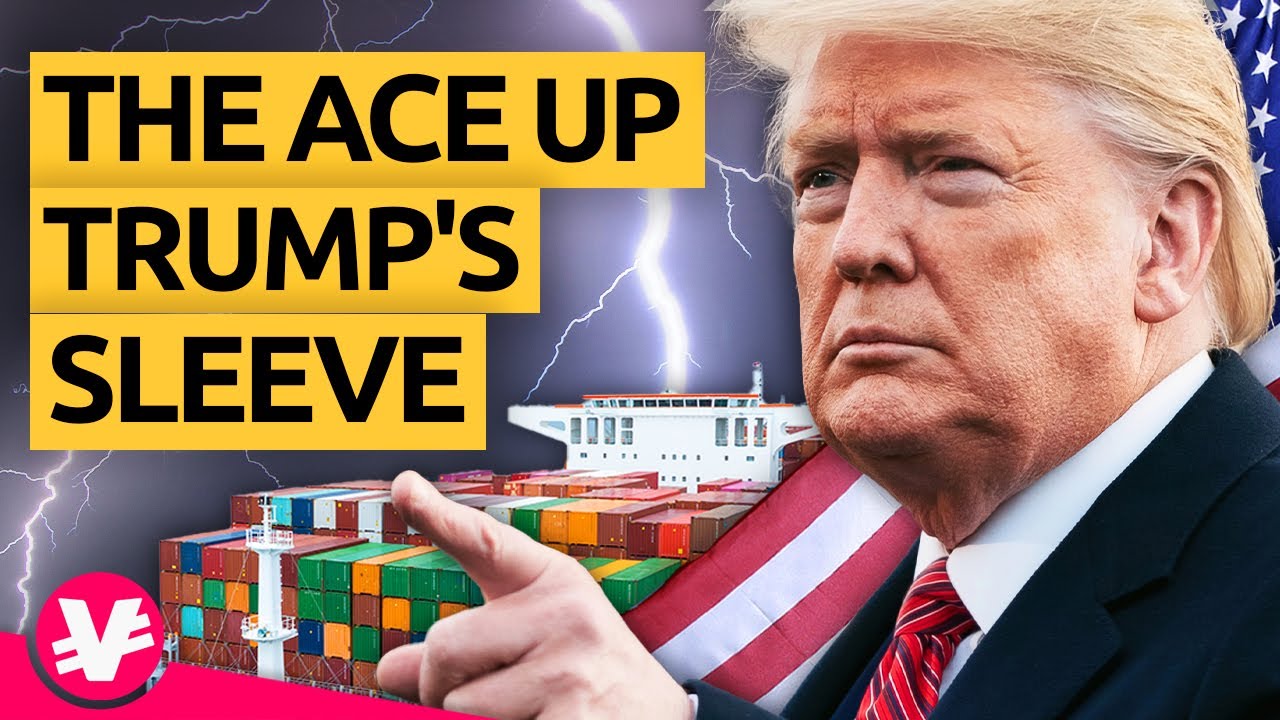
Donald Trump (78), the former 45th and now 47th President of the United States, is preparing a surprising tariff package that could fundamentally change US trade policy. However, this package, which is intended as part of his strategy to strengthen the American economy, could have unexpected negative consequences that Trump may ultimately regret.

The expanded tariff package aims to tax further imports from certain countries in order to protect American companies and promote domestic jobs. In particular, tariffs on products from China, Mexico and the European Union are to be increased. Trump argues that these measures are necessary to combat unfair trade and restore the US as a leading economic power.

However, experts warn of the potential risks of this policy. Firstly, renewed tariffs, following the recent harsh US tariff measures, could lead to an escalation of trade conflicts, which could result in countermeasures by other countries and a global trade war. This would not only burden the American economy, but also jeopardise global economic stability.

Secondly, the new tariffs could increase prices for consumers in the US, as companies would pass on the additional costs to end customers. This could lead to inflation and reduce Americans' purchasing power.

Thirdly, the tariffs could damage relations with important trading partners and undermine confidence in the US as a reliable economic partner. This could have long-term implications for international cooperation and the geopolitical position of the US.

Fourthly, the tariffs could also have political consequences for Trump. If the measures fail to deliver the desired economic results or even have negative effects, this could weaken his support among voters and hurt his chances of re-election.

Overall, Trump's expanded tariff package would be a risky move that carries both economic and political risks. Although it is being presented as a means of strengthening the American economy, the long-term consequences could cause Trump to regret his decision.