RYCEF
0.4000

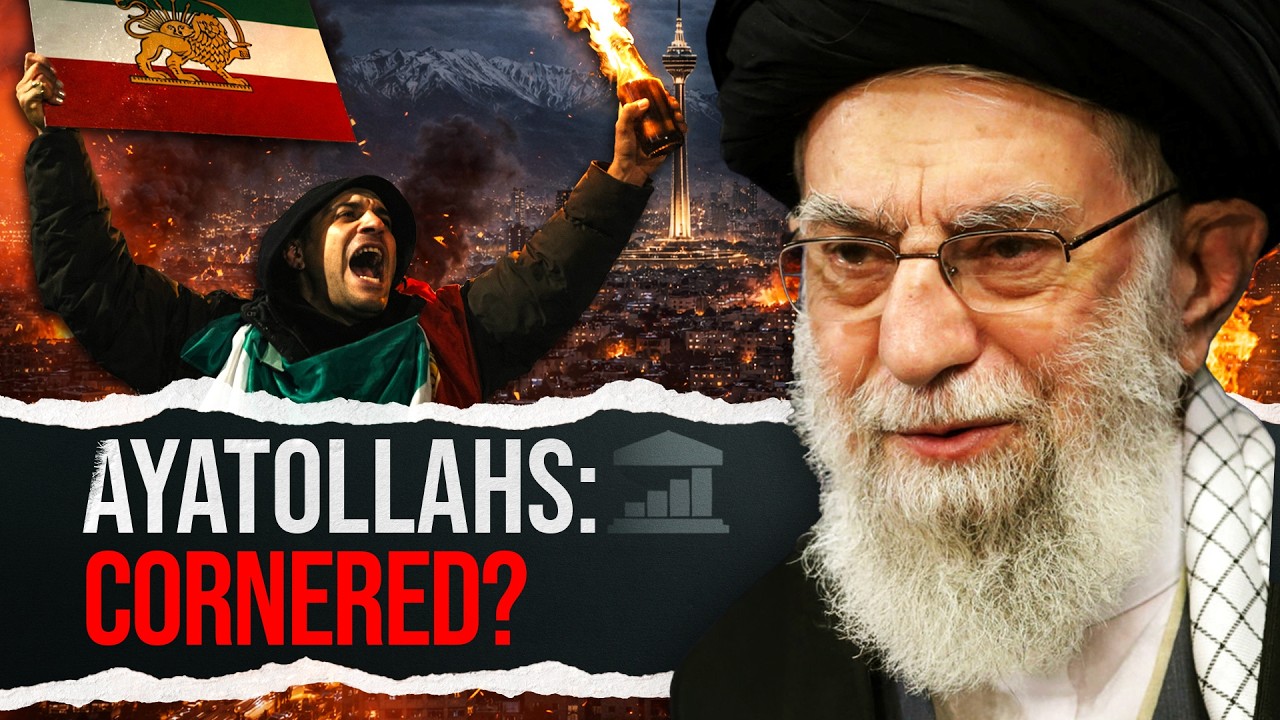
Tension between Washington and Tehran reached a new peak when President Donald Trump issued what he described as Iran’s final opportunity to avoid a ground invasion. In a broadcast from the White House he demanded that Tehran reopen the Strait of Hormuz and accept a proposed peace framework, warning that failure to do so would result in US troops seizing strategic positions along the Iranian coast. The ultimatum came against the backdrop of a month‑long conflict triggered by joint US‑Israeli strikes that targeted high‑ranking Revolutionary Guard commanders and nuclear facilities. Iranian retaliation shut down the world’s most important oil chokepoint, turning the crisis into a showdown over energy security.
Mr Trump originally gave Iranian leaders 48 hours to comply. When Tehran responded with missile barrages across the Gulf and threatened to mine the shipping lane, he extended the deadline, telling reporters he had granted a 10‑day pause while back‑channel talks continued. He insisted negotiations were “going very well” and that Washington had already achieved “victory” through air and cyber‑attacks on Iran’s infrastructure. Iranian officials dismissed talk of negotiations as psychological warfare and accused the United States of manipulating markets. Regional mediators such as Pakistan and Egypt acknowledged that messages were being relayed but emphasised that no direct talks had taken place. As the days ticked down, fears grew that the United States might seize Kharg Island, Iran’s main export terminal, triggering regional proxies to target shipping in the Red Sea.
Energy shock and private‑credit turmoil
The standoff has had swift and dramatic economic consequences. With the Strait of Hormuz effectively closed, commercial shipping through the Gulf came to a standstill and oil prices recorded their largest weekly rise on record. West Texas Intermediate crude surged more than a third in a single week while Brent crude climbed by nearly 30 per cent. Analysts warned that an additional four million barrels per day could be taken off the market if the blockade persisted. Rising pump prices squeezed retailers, transport companies and manufacturers, adding to an already fragile economic outlook.
The shock waves were felt most acutely in the $1.5 trillion private‑credit market. These semi‑liquid vehicles, which lend to midsized companies and are marketed to pension funds and wealthy individuals, faced a rush of withdrawal requests as investors sought to raise cash. BlackRock’s $26 billion HPS Corporate Lending Fund reported redemption demands equivalent to 9.3 per cent of its outstanding shares, far exceeding its quarterly repurchase cap. Management limited redemptions to 5 per cent, returning roughly half the cash requested and sending the firm’s share price tumbling. Blue Owl and Blackstone, which run some of the largest non‑traded business development companies, also faced record withdrawals; in one case more than $3.8 billion in shares were tendered, forcing the fund to raise its normal limit and inject capital. Analysts at RA Stanger warned that capital formation for these vehicles could fall by 40 per cent this year, while Deutsche Bank noted that business development companies hold roughly $143 billion of leveraged loans, creating the risk of forced sales across the middle market.
As redemption gates slammed shut, global equity markets swooned. The Cboe Volatility Index, Wall Street’s “fear gauge”, jumped 23 per cent to 26.43, a level last seen during the early days of the Iraq War. Investors rushed into government bonds, gold and shares of defence contractors and oil majors. By contrast, high‑growth technology shares tumbled as higher discount rates and geopolitical risk reduced appetite for long‑dated earnings. Economists warned that the combination of soaring energy prices and weakening employment data could plunge the United States into stagflation: non‑farm payrolls fell for the third time in five months and unemployment ticked higher, while wage growth remained too weak to offset rising fuel costs.
Political manoeuvring and global reaction
Inside the administration, the ultimatum has been presented as a strategic gambit designed to force Iran to the negotiating table. Mr Trump’s advisers, including special envoy Steve Witkoff and son‑in‑law Jared Kushner, have claimed that they are in contact with a “top person” in Tehran, though they refuse to name him. In public, the president boasts of “major points of agreement” and hints that a comprehensive cessation of hostilities is within reach. Privately, diplomats admit that communications are being conducted through intermediaries in Islamabad and Muscat and that progress is slow. Iranian parliamentary speaker Mohammad Baqer Qalibaf dismissed US claims as fake news intended to calm financial markets and insisted that all Iranian officials remain united behind their supreme leader.
European and Asian governments have reacted cautiously. British prime minister Keir Starmer confirmed that London was aware of US‑Iranian back‑channel contacts and urged a swift resolution to the conflict. China and India, heavily dependent on Gulf energy supplies, have called for de‑escalation and begun rerouting tankers via the Cape of Good Hope, adding weeks to delivery times and inflating freight costs. Gulf states have increased war‑risk premiums by hundreds of thousands of dollars per voyage, raising insurance costs for carriers. Central banks in Tokyo and Frankfurt have signalled their readiness to provide liquidity if market stress intensifies, while the US Federal Reserve faces a dilemma: cutting rates might support growth, but doing so could fuel energy‑driven inflation.
Public mood and the road ahead
Public reaction to Mr Trump’s ultimatum has been polarised. Many observers, including some veterans of prior Middle East conflicts, fear that giving Tehran a hard deadline risks sleepwalking into a regional war with unpredictable consequences. They point to historical precedents—such as the invasions of Iraq and Afghanistan—to argue that ground operations rarely achieve their political aims and often ignite insurgencies. Environmentalists warn that fighting near Iran’s oil infrastructure could trigger a spill in the Persian Gulf, creating a global ecological disaster.
Others believe the ultimatum is a calculated negotiating tactic designed to shock Iran into accepting a diplomatic settlement. Supporters of the White House’s approach argue that the unprecedented sanctions and targeted strikes have left Tehran militarily weakened and politically isolated, leaving it little choice but to sue for peace. Some investors are taking the long view, betting that a temporary energy price spike will be followed by a rapid stabilisation once a deal is struck and the Strait of Hormuz reopens. Experienced traders caution against panic selling, noting that private‑market assets are marked quarterly and that sudden shifts in valuation can create opportunities for those with patient capital.
Whatever the outcome, the episode underscores the tight link between geopolitics and finance. A threat of invasion issued in Washington can trigger redemption runs in New York, factory shutdowns in Berlin and shipping chaos in the Gulf. With the deadline looming and both sides trading missiles and accusations, the world is braced for either a fragile peace or another violent escalation. For now, businesses and investors can do little more than monitor events, hedge their exposures and hope that diplomacy prevails.