RYCEF
0.4000

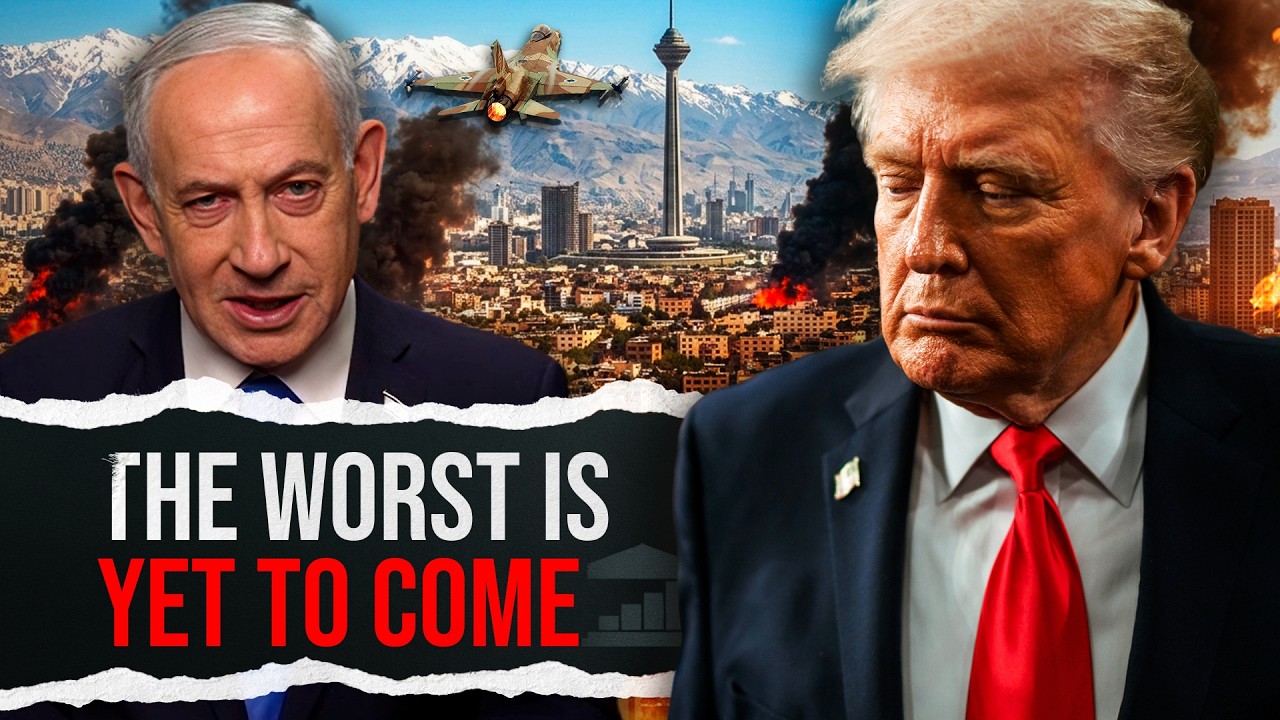
The United States and Israel entered the spring of 2026 locked in an unprecedented conflict with Iran. On 28 February the two allies launched a joint offensive aimed at destroying Iran’s ballistic‑missile programme, curbing its support for militant proxies and forcing an end to its nuclear ambitions. The campaign quickly spread across the region: Iranian forces responded with ballistic‑missile salvos and drone attacks, and the United States imposed a naval blockade on Iranian ports. Iran retaliated by closing the Strait of Hormuz, a narrow waterway through which a fifth of the world’s oil flows. By early April both sides had agreed to a fragile ceasefire, but the war’s economic and human cost, coupled with mounting pressure from Gulf Arab states to restore trade, propelled Washington to seek a negotiated settlement.
President Donald Trump has now circulated a draft agreement that would reopen the Strait of Hormuz to commercial shipping, lift the U.S. blockade and unlock up to $12 billion of Iran’s frozen assets. Under the memorandum of understanding, shipping lanes would return to pre‑war levels within a month, and a 60‑day negotiating period would be devoted to the future of Iran’s nuclear programme. Discussions on highly enriched uranium, centrifuges and International Atomic Energy Agency supervision would begin only after trade resumed. Iran would renounce nuclear weapons, but its stockpiles and missile arsenal would not be dismantled at this stage. The deal also calls for a permanent ceasefire that would extend to Lebanon, where Israeli forces have been engaged in a separate conflict with Hezbollah. As a diplomatic sweetener, Washington has urged Saudi Arabia, Qatar, Pakistan and other regional powers to normalise relations with Israel by joining the Abraham Accords.
In Israel the proposal has provoked a storm of indignation. Senior officials, speaking on condition of anonymity, have branded the emerging accord a “bad deal”. Their chief complaint is that the draft postpones serious constraints on Iran’s nuclear and missile programmes, creating the risk that Tehran will pocket sanctions relief, rebuild its economy and rearm its proxies while negotiations drag on. Israeli strategists note that the memorandum says nothing about Iran’s long‑range missiles or its network of regional militias. They fear that a temporary ceasefire would allow Iran’s allies in Lebanon, Syria and Yemen to regroup and that the release of billions of dollars would enable Tehran to reconstitute military facilities damaged during the war.
Opposition leader Yair Lapid, who is attempting to unseat Prime Minister Benjamin Netanyahu later this year, has condemned the plan as “bad for Israel, bad for the region [and] bad for the citizens of Iran”. Lapid has criticised Mr Netanyahu for failing to influence Washington’s negotiating position and warns that Israel’s ability to shape American policy is at an all‑time low. Other Israeli commentators describe the draft as a strategic failure: the war began with publicly declared goals of toppling Iran’s theocratic government, ending its ballistic‑missile threat and severing its ties to militant groups, yet the proposed agreement delivers none of those outcomes. Analysts at the Institute for National Security Studies argue that the enormous gap between the war’s ambitions and the terms of the emerging deal shows how little the campaign’s architects understood Iran. Some call it a capitulation that leaves Iran in a stronger position than before the war.
Security officials are particularly alarmed by the prospect of constraints on Israeli military operations in Lebanon and Gaza. The draft calls for a permanent ceasefire not just in the Persian Gulf but across the region, including southern Lebanon where Israeli troops have seized strategic positions and where daily exchanges of fire with Hezbollah have continued despite the pause in the broader war. Israeli commanders insist on “freedom of action” to strike Iranian targets and proxies; they fear that a formal ceasefire would tie their hands and allow Hezbollah to entrench itself further along the northern border. The idea of including Hezbollah in the ceasefire, reportedly floated by Tehran, is anathema to the Israel Defense Forces.
The financial dimension of the proposed deal is another source of anger. Iran’s government is demanding access to billions of dollars held abroad to stabilise its economy after months of conflict. For Israel, the thought of unlocking those funds conjures memories of the 2015 nuclear agreement, which lifted sanctions and allowed Iran to re‑enter oil markets. Hawks in both Israel and the United States warn that injecting cash into Iran’s coffers will embolden the Revolutionary Guard Corps and enable renewed investment in missile development and proxy warfare. These critics argue that pressure—not relief—is the only way to force Tehran to dismantle its nuclear infrastructure and curb its regional ambitions. Some even say they would prefer a return to open conflict to the signing of a weak agreement that leaves Iran intact.
Israelis are also wary of the diplomatic gambit tied to the deal. President Trump has declared that it should be “mandatory” for countries such as Saudi Arabia, Qatar and Pakistan to recognise Israel as part of the agreement. Pro‑Israel voices in the United States have welcomed the idea, but regional experts point out that Gulf states are not prepared to normalise relations at a time when Israel is still waging wars in Lebanon and Gaza and when Palestinian casualties have fuelled widespread anger. Saudi Arabia has repeatedly said it will not normalise relations without a Palestinian state based on the 1967 borders. For Israel, therefore, the promise of new diplomatic ties offers little comfort; what matters is security, and the current draft does not guarantee it.
Beyond Israel, the emerging agreement has drawn criticism from Republican hawks in Washington. Senators Lindsey Graham, Ted Cruz and Roger Wicker have all warned that a 60‑day ceasefire that reopens the Strait of Hormuz while leaving Iran’s nuclear and missile capabilities untouched would be a “disaster”, a “nightmare” and a “disastrous mistake”. Former secretary of state Mike Pompeo has derided the proposal as a retreat from the “America First” stance, arguing that Tehran should not receive a penny until its capability to threaten U.S. allies is eliminated. These voices echo the concerns of Israeli officials who fear that the balance of power in the region will shift in Iran’s favour if the United States compromises.
The uproar in Jerusalem is compounded by a feeling of marginalisation. Reports in the Israeli press suggest that Mr Netanyahu has been largely sidelined in negotiations, with Washington seeking input from Gulf allies and Pakistan instead. A senior Israeli security official recently lamented that “Israeli interests were not taken into account throughout the negotiations”, noting that Israel might now face restrictions on its ability to act in Lebanon and Gaza despite fighting alongside the United States in Iran. Such perceived neglect has fuelled domestic criticism of Mr Netanyahu and heightened the sense of betrayal that underpins Israel’s fury at the emerging deal.
As negotiations continue, the gap between Israeli expectations and the draft agreement’s provisions remains wide. Israel entered the conflict hoping to eliminate a strategic rival and reshape the Middle East. It now confronts the prospect of a ceasefire that freezes the status quo, leaves Iran’s regime intact, and imposes constraints on Israel’s military freedom. Unless Washington and Tehran can produce a final agreement that addresses Israel’s security concerns—particularly the dismantling of Iran’s missile and nuclear capabilities and the curtailment of its proxies—the anger emanating from Jerusalem is unlikely to subside. The fate of the war, the security of the Gulf and the future of regional diplomacy all hinge on whether these divergent interests can be reconciled in the weeks ahead.