RYCEF
-0.3600

The need to overcome barriers to equality in the EU and worldwide!
In a globalised world characterised by progress and innovation, equality remains one of the greatest challenges of our time. Despite numerous efforts, significant barriers that disadvantage people based on their gender, origin, religion, sexual orientation or other characteristics remain. It is essential for society in the European Union and worldwide to overcome these barriers to ensure a fairer and more prosperous future.
Equality as a cornerstone of democracy
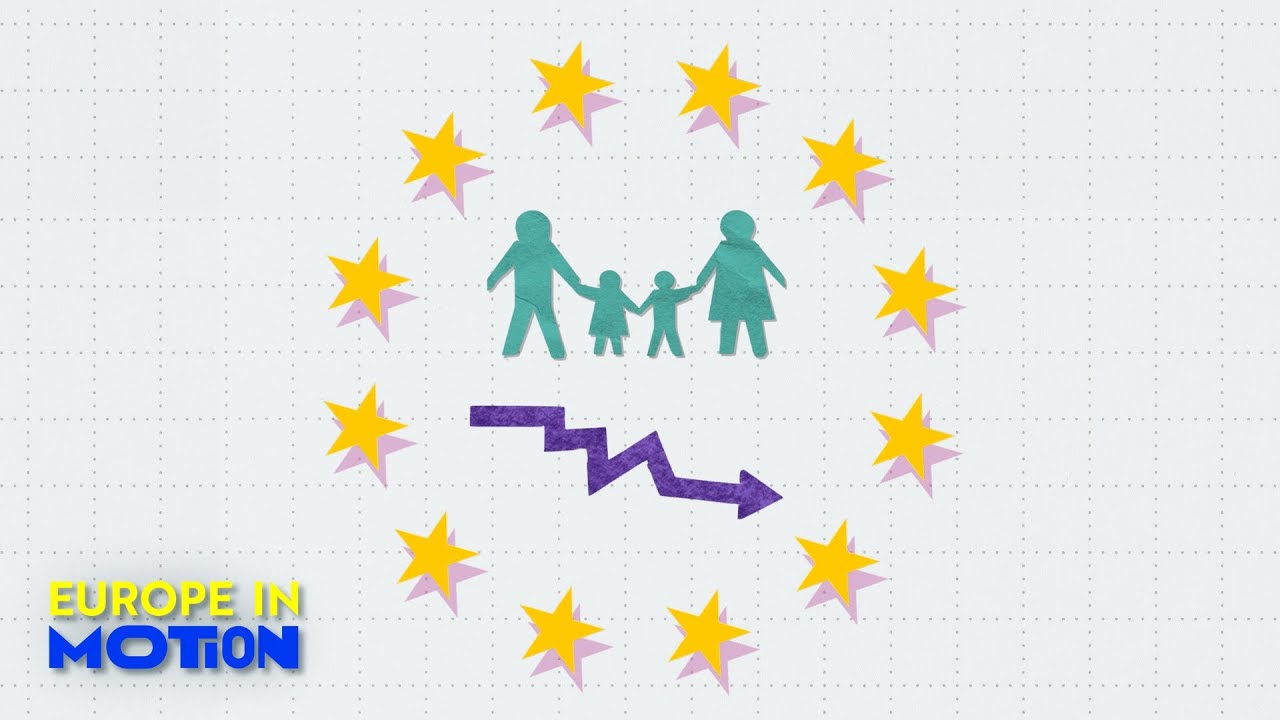
Equality for all is a fundamental principle of democratic societies. It forms the basis for social justice and respect for human rights. In the European Union, equality is not only a moral imperative, but also enshrined in law. Nevertheless, statistics show that discrimination and inequality persist. For example, women in the EU earn on average 14.1% less than men, and minorities often face prejudice and disadvantage.
The economic benefits of equality
Overcoming barriers to equality is not only an ethical obligation, but also brings significant economic benefits. Studies have shown that countries with higher equality tend to have stronger economic growth. An inclusive labour market, where all talents are used regardless of gender or origin, leads to more innovation and productivity. In addition, equality reduces the costs arising from social tensions and inequalities.
Promoting social cohesion and peace
Inequality can lead to social unrest, conflict and instability. By removing barriers to equality, social cohesion is strengthened. A society in which all members have equal rights and opportunities is more resilient to extremism and intolerance. This is particularly important in a world facing global challenges such as migration, climate change and pandemics.
Identify and remove barriers
The barriers to equality are many and often deeply rooted in cultural norms and institutional structures. They include, among other things:
- Discriminatory laws: Some countries still have laws that disadvantage certain groups.
- Prejudices and stereotypes: Social attitudes can lead to people being discriminated against because of their gender, skin colour or other characteristics.
- Access to education and resources: Unequal access to education, healthcare and financial resources widens the gap between different social groups.
- Violence and harassment: Physical and psychological violence against certain groups is a significant barrier to equality.
Measures to promote equality - Overcoming these barriers requires a coordinated effort at various levels
- Political reforms: Governments need to enact and enforce laws that prohibit discrimination and promote equality.
- Education and awareness: Educational programmes can reduce prejudice and create awareness of the importance of equality.
- Economic empowerment: Initiatives to support disadvantaged groups in accessing the labour market and financial resources are crucial.
- International cooperation: Global challenges require global solutions. The EU can take a leading role here and share best practices.
Conclusion:
Overcoming obstacles to equality is of central importance for a just, peaceful and prosperous society. It is the shared responsibility of governments, institutions, companies and each individual to actively participate in this change. Only through consistent efforts can we create a world in which all people enjoy the same opportunities and rights – for the benefit of the European Union and the entire global community.