Stifling heat, storm delays: weather extremes could impact World Cup / Photo: © AFP/File

Heat, humidity and thunderstorms are synonymous with summer in many North American regions -- and in a few weeks they could also threaten the 2026 World Cup.
This year's edition of the tournament is being played across the US, Canada and Mexico at 16 host cities, including places accustomed to soaring summer temperatures exacerbated by stifling humidity.
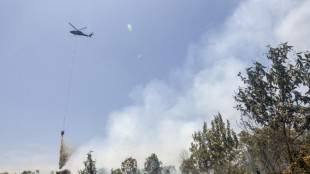
Frequent wildfires in places like Canada and California meanwhile pose air quality risks.
Then there's thunder and lightning: in the US, summer storms often mean outdoor sporting interruptions.
Generally, a 30-minute mandatory delay follows a lightning strike within an approximately eight to 10-mile (13 to 16-kilometer) radius. Every subsequent flash sets off a new half-hour pause.
Last year's FIFA Club World Cup, which served as a dress rehearsal for this year's tournament, saw six matches significantly delayed by severe weather, which scientists expect could become increasingly common as greenhouse gases continue to warm the planet.
The repeated club tournament game delays left some critics and coaches wondering if the US should even host.
Enzo Maresca, who at the time coached Chelsea, called delays a "joke" that upset focus, asking whether some American cities were right to host major tournament games.
- When thunder roars, go indoors -
Lightning carries serious risks. Deaths from direct strikes are rare, but do happen.
According to the US Centers for Disease Control and Prevention, there were 444 lightning strike deaths in the US between 2006 and 2021, and most occurred during outdoor leisure activities.
Regions east of the Rocky Mountains are at highest risk. Those areas tend to be quite humid due to warm Gulf waters, which creates moisture that can rise and form thunderstorms.
Scientists are voicing concern that climate change might inject uncertainties into storm patterns, and perhaps create conditions that would make lightning strikes even more prevalent.
Kelsey Malloy of the University of Delaware said "we haven't really detected strong trends yet" but overall "it is expected that lightning is going to increase" in parts of the US.
A warming climate "has been linked to heavier rainfall rates as well as stronger rising air" which "equals greater electrification of clouds, and therefore greater lightning flash rates."
Malloy, a climate scientist, said forecasting has improved at predicting severe weather and urged fans to heed risk warnings and protocol surrounding impacted matches.
"A lot of people maybe imagine if they can't see the storm, they can't see the lightning, they haven't heard the thunder yet, that they're not in an active threat," Malloy told AFP.
"But lightning can strike miles away from an actual storm location."
Ziqin Ding, a University of Florida lightning researcher, said stadiums are generally well-protected with precautions like lightning rods, metal devices meant to prevent structural damage or fires by intercepting strikes and providing a path for harmful electrical discharge to disperse.
But strikes nearby still could "cause interruption for stadium events," he told AFP.
- Heat danger -
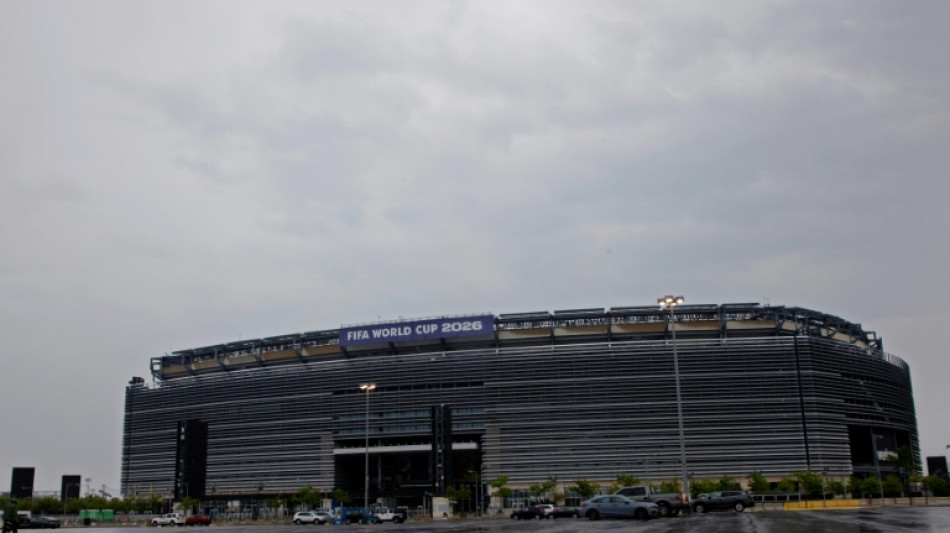
FIFA will use a few stadiums with roofs, air conditioning or both -- in Atlanta, Dallas, Houston, Los Angeles and Vancouver -- to ease concerns over storm delays or extreme heat.
But many are open-air.
This could spell storm delays and subject players and fans to debilitating temperatures.
During 2025's club tournament, many matches were played in weather over 90 degrees Fahrenheit (32 degrees Celsius), with humidity making it feel even hotter.
A team of climate scientists recently released a report that said "grueling heat" could impact a quarter of slated games, including New Jersey's final.
FIFA has mandated cooling breaks during each half of the matches.
Doctor Chris Mullington of Imperial College London said it's possible some footballers "just won't be able to play at the intensity that they're used to."
Fans -- many of whom might be consuming alcohol in direct sun under heavy heat and humidity -- may face even more health risks.
By and large, those people "will not be elite athletes and may come with many co-morbidities that could be exacerbated by the heat," Mullington said.
A group of current and former professional players led by Norway's Morten Thorsby delivered a recent petition to FIFA describing the impacts of heat, saying "it can make you feel light-headed, dizzy, experience fatigue, muscle cramps and worse."
They urged FIFA to update its World Cup heat-stress framework, a measure they insisted be coupled with "consistent climate action."
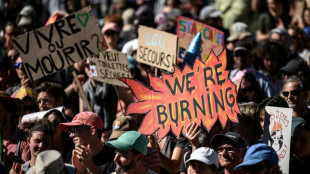
"It would be a missed opportunity if a sport so impacted by the climate crisis doesn't take its responsibility in addressing it," read the open letter.
M.Chau--ThChM