
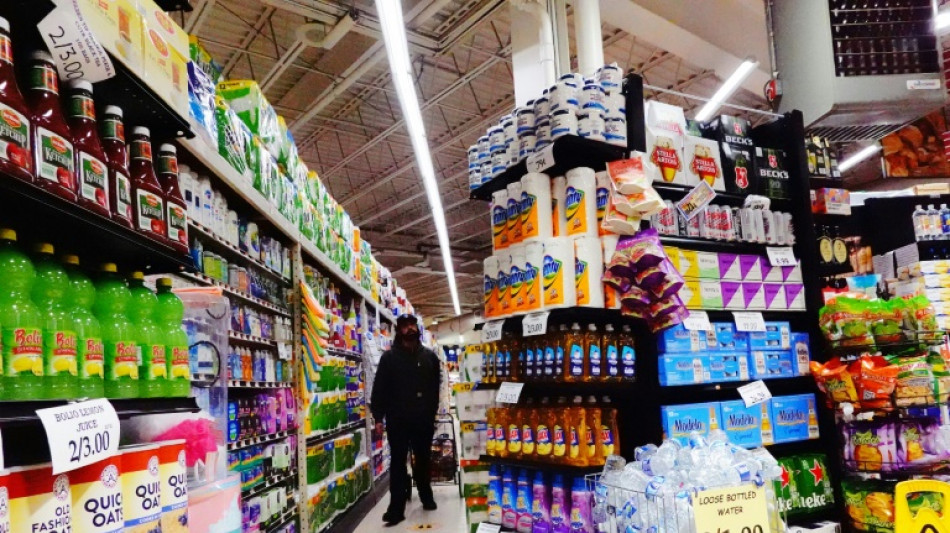
Fed's preferred inflation gauge and home sales rise, fueling concern / Photo: © GETTY IMAGES NORTH AMERICA/AFP/File

A key indicator of US inflation rose in January as new home sales jumped more than expected, said government data released Friday, feeding fears that interest rates could stay high for longer.
The numbers, indicating that the world's biggest economy is running hotter than policymakers hope, came despite aggressive efforts by the Federal Reserve to raise the benchmark lending rate and rein in inflation.
While sectors like housing slumped recently, some areas of inflation remain sticky, potentially pointing to more rate hikes in the pipeline.
The Fed's preferred gauge of inflation, the personal consumption expenditures (PCE) price index, rose 5.4 percent last month from January 2022, while consumption surged more than one percent from a month prior, said the Commerce Department.
From December to January, the PCE price index jumped 0.6 percent, the biggest rise since mid-2022 as prices for goods and services both picked up.
Excluding the volatile food and energy segments, the PCE price index still bounced 0.6 percent from the preceding month.
"Today's report shows we have made progress on inflation, but we have more work to do," said President Joe Biden in a statement.
But he added that while there may be setbacks, the US faces "global economic challenges from a position of strength."
The central bank focuses on the PCE price index as it reflects actual spending, including shifts to less expensive items, unlike the more well-known consumer price index.
While inflation has come off last year's decades-high levels, it remains well above policymakers' two percent target.
Personal income rose as well from December to January, said the Commerce Department.
- Reversal in progress -
Meanwhile, sales of new US homes surged more than expected in January by 7.2 percent to an annual rate of 670,000, seasonally adjusted, the Commerce Department added.
This was the highest in nearly a year and up from December's revised rate of 625,000. The median sales price last month cooled to $427,500.
New properties make up a small portion of overall home sales -- and transactions of existing homes remains weak despite Friday's data.
"Higher mortgage rates are impacting affordability and are weighing heavily on home sales, a trend that is not yet showing any sign of stabilizing or reversing," said Rubeela Farooqi of High Frequency Economics.
She added that there has been a "reversal in progress last month," in the inflation gauge.
"Reaccelerating price pressures coupled with a still-strong labor market that is restoring incomes and is supporting demand will keep the Fed on track to hike rates further," she added.
But Ian Shepherdson of Pantheon Macroeconomics said the latest overshoot in inflation "is concentrated in financial services, professional services, and healthcare, none of which are likely to persist."
In the bigger picture, drivers of the inflation surge, including global food and energy prices as well as a supply chain crisis, are "now reversing, at varying rates," he said in an earlier report.
This suggests downward pressure on inflation for the foreseeable future, Shepherdson added.
On Friday, a survey of consumers by the University of Michigan indicated consumer sentiment has picked up, helped by improvements in the short-term economic outlook.
N.Lo--ThChM



