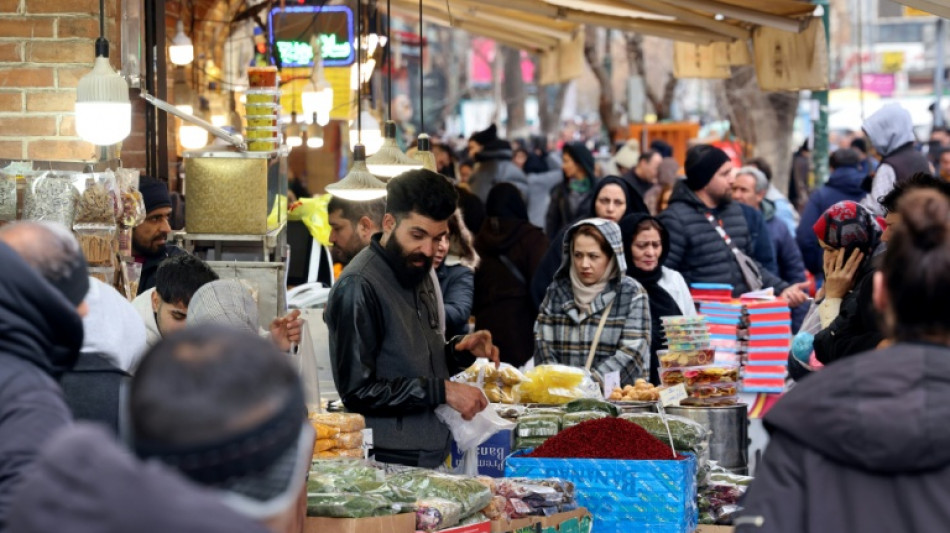
Iranians struggle as internet shutdown hits livelihoods / Photo: © AFP

Cut off from the global internet for more than two weeks, online content creator Amir spends his days scanning the few news websites available on Iran's domestic web for signs that connectivity to the world might return.
Amir, 32, has been unable to produce his reviews of video games and movies since January 8, when authorities imposed an unprecedented communications blackout amid mass anti-government protests that authorities acknowledge left more than 3,000 dead.
The prolonged shutdown has impacted key sectors of the economy from travel to exports, according to Iranians in Tehran who spoke to AFP, while costing the country millions of dollars each day.
"My work entirely depends on the internet... I really cannot see myself surviving without it," said Amir, who works with social media platforms including Instagram and YouTube.
He said the restrictions had left him demotivated and increasingly concerned about his income and future.
Nationwide rallies against the rising cost of living erupted in Tehran on December 28, beginning as peaceful demonstrations before turning into what officials describe as "foreign-instigated riots" that included killings and vandalism.
An official death toll from the unrest stands at 3,117, but international NGOs have provided higher numbers.
The protests have since subsided but remaining in place are the internet restrictions, which Iran's foreign minister has justified as necessary to confront foreign "terrorist operations". Rights groups, however, say the shutdown was imposed to mask a government crackdown on protesters.
Millions of Iranians have been left reliant on the country's intranet, which supports a wide range of domestic apps while keeping users isolated from the outside world.
Buses, subway systems, online payment and banking platforms, as well as ride-hailing, navigation and food delivery services, are all functioning on the intranet, along with local news websites.
Last weekend local media reported that domestic messaging apps including Bale, Eitaa and Rubika would also become functional again.
But Amir told AFP that he had "never used these apps and I will not start now", citing privacy concerns.
- Flight disruptions -
Social media sites such as Instagram have served as a key marketplace for Iranian entrepreneurs, but the impact on the economy from the internet restrictions extends far wider.
On Sunday, local media quoted Iran's deputy telecommunications minister Ehsan Chitsaz as saying the shutdown is estimated to have cost between four and six trillion rials per day -- around $3 to $4 million.
Internet monitoring group NetBlocks has provided a much higher estimate, saying each day costs Iran more than $37 million.
A travel agent, who declined to be named for security concerns, told AFP that booking international flights has been "unstable". Some flights had been cancelled and passengers only informed upon arrival at airports, she said.
"Business has been affected, with the number of customers calling me daily to book flights dropping," she added, noting that "domestic flights remain easier to arrange".
Iraj, a 51-year-old truck driver in western Iran who transports goods across the country's borders, said administrative procedures for loading and unloading export cargo have slowed.
"Drivers have been required to wait hours to complete paperwork," he added.
- 'It will backfire' -
Curbs on the internet have been imposed during previous bouts of unrest in Iran though have generally been shorter and more limited in scope.
Disruptions took place as far back as 2009 during nationwide demonstrations against the re-election of then president Mahmoud Ahmadinejad.
Restrictions were also in place during protests sparked by rising fuel prices in 2019, rallies in 2022-2023 after the death in custody of Mahsa Amini, and during the 12-day war with Israel in June last year.
Amin, another content creator who reviews tech devices in videos posted to YouTube and Instagram, said he had anticipated restrictions this time but did not expect the shutdown to be so long or so stringent.
"We used to complain that working under these conditions was difficult, but now it's affecting every aspect of our livelihoods," the 29-year-old told AFP.
It remains unclear how long the blackout will last. In recent days patchy access to some foreign websites and email services such as Google has been available, but has been highly unreliable.
"The only optimistic thing I can say... is that I don't see them keeping the internet shut completely for a long time," Amin said.
"Otherwise, it will backfire."
W.Tam--ThChM