Southwark Council Error Leaves Vulnerable Woman Without Phone Service

The vulnerable woman's finances are managed by the South London council
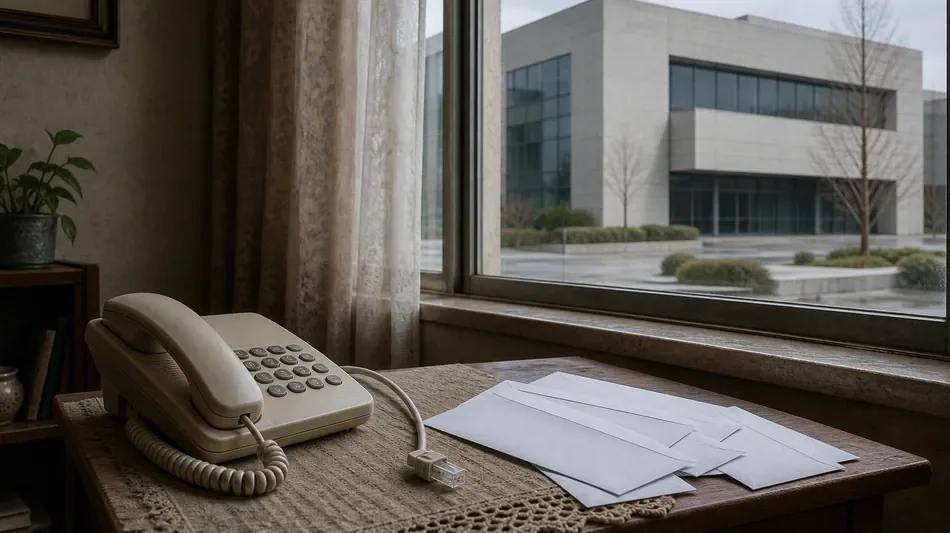
A South London council has apologised to a vulnerable resident after it took too long to pay her phone bill which led to her landline being disconnected. The Local Government & Social Care Ombudsman found Southwark Council was at fault for not paying the resident's telephone bill, which resulted in her landline being disconnected for three months. The council has since paid the bill and has changed how it processes her bills to reduce the chances of it happening again.
The woman, known as Ms Y in an Ombudsman report, has a mental health condition and is at risk of exploitation. She lives on her own and has support from a relative, called Ms X, and a support plan from the council which includes care support at home. The council has acted as Ms Y's corporate appointee since 2019, and its Clients Affairs Team is responsible for paying bills on her behalf, providing money for her shopping and makes other payments with authority from the Social Care Team.
Her relative, Ms X, contacted the Ombudsman in September 2025, and complained that the council had not properly managed Ms Y's money when acting as her corporate appointee. Ms X stated this had caused disappointment and distress for them both, and stated the council had delayed its communication with her, causing her frustration. She also complained that the council had not properly considered her views and needs as Ms Y's next of kin.
In November 2024, Ms X contacted the council to say it had not paid Ms Y’s telephone bill and her landline was not working. In December 2024 and January 2025, Ms X contacted the council again about the telephone line and unpaid bill. In January 2025, the council proposed a new plan to support Ms Y with the management of her money.
This included the council giving money to Ms Y’s carers for clothes and getting Ms Y’s views about requests for money. The council did not pay Ms Y’s telephone bill until February 2025, when Ms X had complained. Her landline was also reinstated in February 2025.
In March, Ms X escalated her complaint, and stated the council had not addressed its delay paying the telephone bill. She was concerned about how it would deal with future emergencies. Ms X also stated the council had not answered a request of hers for money on behalf of Ms Y for birthday celebrations, or for arrangements for shopping with Ms Y.
In March, Ms Y reportedly requested money to buy a new coat. The council told Ms Y she had recently bought a new coat. Ms Y reportedly became distressed during the discussion and stated she wanted to have the money.
Later that month, the council held a meeting with Ms X to discuss Ms Y's financial arrangements. Due to miscommunication, Ms Y was not present at the meeting. During the meeting, the Client Affairs Team raised concerns Ms X had requested money that was for her rather than for Ms Y.
In April 2025 the council responded to Ms X’s complaint, and apologised for not paying the telephone bill but stated it had dealt with other contact from Ms X promptly. It stated a council officer had recently tried to speak to Ms X about money requests but she had refused. The council stated it would look at how to make money more available for shopping, and acknowledged it had failed to arrange for Ms Y to attend the March 2025 meeting.
The council stated it would continue to make best interests decisions about requests for money. In May, the council received a safeguarding concern about "aspects of Ms Y's support" and began a safeguarding enquiry. A social worker visited Ms Y three times during June 2025 as part of this.
During one of the visits, Ms Y told the social worker she liked to spend modestly and was happy to give Ms X small amounts of money, setting a limit of £50. On another visit, Ms Y repeated she was happy with a spending limit of £50 for gifts. Later in June, Ms X made a request to escalate her complaint.
She raised concerns that nothing had changed, the council had delayed payments and took too long to make decisions and that arrangements were not working well. The council responded the following month. The council stated apart from taking too long to pay the telephone bill, it had made other decisions promptly, it had sped up how it paid bills and had referred Ms X for a carers assessment.
The council held a meeting with Ms X as part of the safeguarding enquiry, explaining its arrangements and decision making, but Ms X stated she thought the arrangements made Ms Y feel she had no entitlement to her money. On another occasion in November, Ms X made a request on behalf of Ms Y for her account balance. Based on the Ombudsman report, the council took over two months to provide it.
The council completed an annual review the same month, and at the review the council stated Ms Y appeared to be managing her finances and so increased her daily allowance. It agreed to look at how Ms Y could give Ms X cash gifts, and reviewed utility payments and how Ms Y and Ms X could access money to spend time together. The Ombudsman found the council was at fault for not arranging for Ms Y to be present at the meeting in March 2025.
The council has since apologised for the injustice caused to her. The council had not completed a new formal mental capacity assessment and had not held any formal 'best interest' meetings regarding regarding Ms Y’s appointeeship, for over two years. The Ombudsman has suggested the council may want to consider carrying out a new assessment to assure itself and others about her mental capacity.
Other than the late payment of the telephone bill, the Ombudsman found there was no fault in how the council managed Ms Y's finances. When the council completed a safeguarding enquiry in 2025, it found Ms Y was at risk of financial abuse and decided the existing safeguards should remain in place. The Ombudsman found no fault in the way the council completed the enquiry.
In its conclusions, the Ombudsman stated: "The council has included Ms X in best interests decisions, in the safeguarding enquiry and in the annual review. The council has properly considered her views. "If Ms X feels the council is not acting in Ms Y’s best interests she could apply to the Court of Protection to become a court appointed deputy for Ms Y."
S.Davis--ThChM