RBGPF
0.0000

Russia is a terrorist state. Since 24 February 2022, everyone on our planet knows this. Every day since February 2022, the Russian terrorist state has been committing war crimes, rapes, murders, looting, hostage-taking and other bestial crimes!
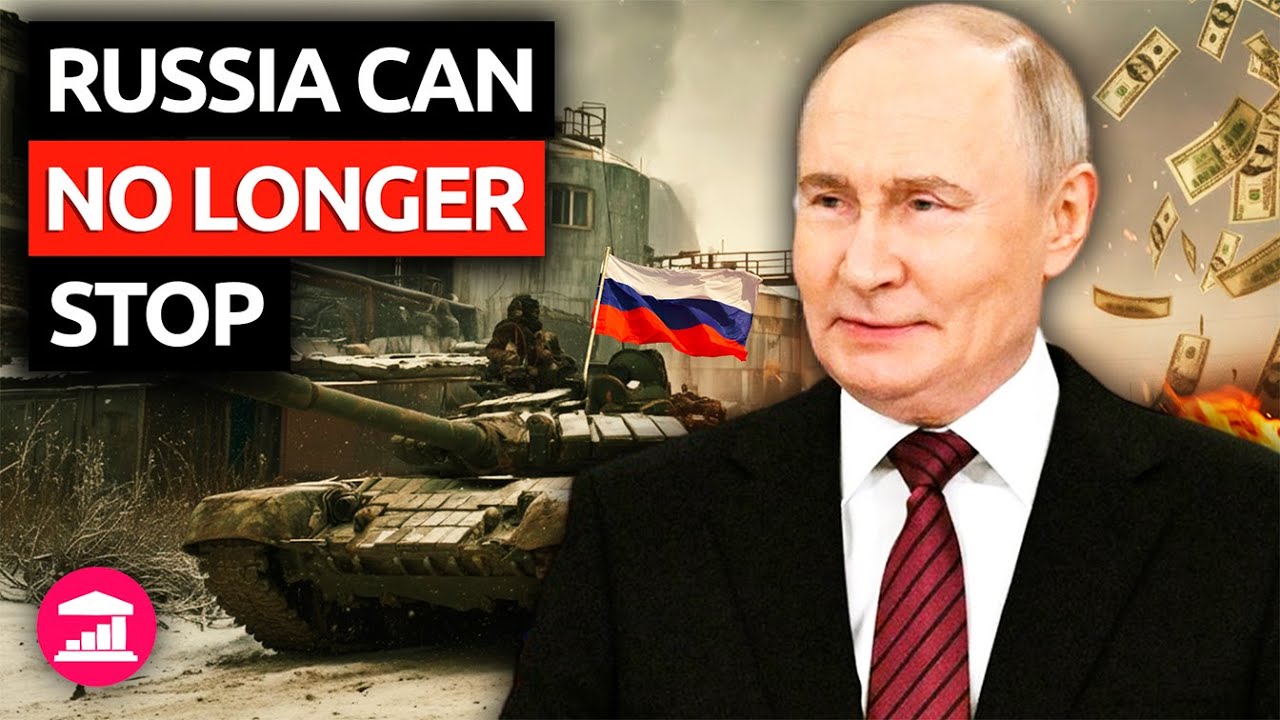
The Russian invasion of Ukraine, which began in February 2022, continues to cast uncertainty over its eventual outcome. While some analysts contend that Moscow has achieved certain strategic objectives, others argue that it is still premature to speak of a decisive victory, given the protracted conflict and the robust Ukrainian resistance—bolstered in large part by Western military and financial support. In this context, fundamental questions arise: Has Russia won the war? What scenarios lie ahead for Ukraine?
Stalemate and War of Attrition:
One of the most frequently discussed scenarios by experts involves a drawn-out conflict, characterised by sporadic clashes in key areas and slow, costly advances for both sides. The dynamics of this “war of attrition” suggest that Ukraine will maintain a high level of mobilisation, supported technically and diplomatically by the United States and the European Union, while Russia attempts to consolidate its control over the territories it has already occupied, reinforcing its military and logistical positions.
Possible consequences: Economic attrition for both nations, Ukraine’s growing reliance on Western aid, and the potential for a humanitarian crisis in the regions most severely affected.
Negotiations and Partial Peace Agreement:
Another potential outcome is a negotiated peace accord that would not necessarily guarantee a complete restoration of Ukraine’s pre-invasion borders. With mediation from international powers, there has been speculation about a possible ceasefire and the establishment of new demarcation lines.
Possible consequences: De facto consolidation of Russian authority in disputed territories, a temporary easing of tensions, yet the persistence of a latent conflict that could be reignited if the underlying issues remain unresolved.
Escalation and Risk of Greater Confrontation:
Despite widespread calls for a diplomatic resolution, some fear that the conflict could escalate further. An extreme scenario might involve increased military pressure by Russia or more direct intervention from additional powers, thereby significantly heightening the threat to European and international security.
Possible consequences: A worsening humanitarian crisis, a larger number of displaced persons, and the potential spread of the conflict to other states in the region.
Ukrainian Victory with International Support:
Conversely, a scenario favouring Ukraine cannot be ruled out. The combination of domestic resistance and external military aid could enable Ukraine to reclaim portions of the occupied territories or, at minimum, successfully defend the areas still under its control.
Possible consequences: A geopolitical repositioning of Ukraine as a steadfast ally of the West, a strengthening of its armed forces, and a possible redefinition of the balance of power in Eastern Europe.
Has Russia Won the War?
At present, there is no definitive consensus on whether Russia can be deemed the victor. Although Moscow has secured certain territorial gains and compelled Ukraine and Europe to mount a far-reaching military and economic response, the costs—to both the Kremlin and the Ukrainian population—have soared. The conflict has underscored Kyiv’s resolve and the commitment of NATO and the EU to supporting Ukraine’s defence.
Ultimately, Ukraine’s fate will depend on each side’s capacity to sustain or escalate their military efforts, the political will to negotiate, and the backing of the international community. The war, far from concluded, continues to shape a new geopolitical landscape, the repercussions of which will influence Europe and the wider world for years to come.