RBGPF
0.0000

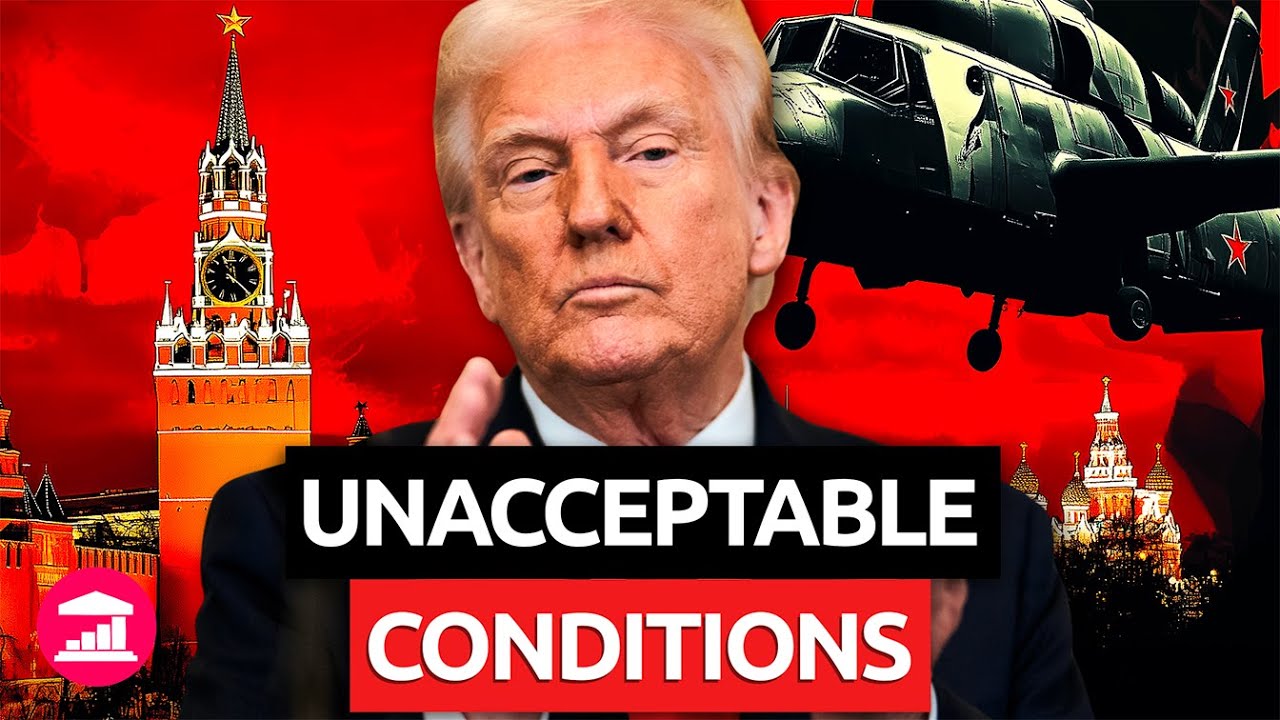
US President Donald Trump's (78) hopes for a quick diplomatic solution to the Ukraine conflict were sorely tried again yesterday. After a two-hour phone call with Russian dictator and war criminal Vladimir Putin (72), there is still no breakthrough in sight. Putin firmly rejected a proposal for a 30-day general ceasefire supported by Trump and stuck to his maximum demands, as Russian and American sources agree.
Trump, who has repeatedly promised to quickly end the war in Ukraine since taking office on 20 January 2025, has been counting on direct talks with Putin to make progress. He spoke to the Kremlin chief as early as Tuesday 18 March, after his vassal and ‘special envoy’ Steve Witkoff was in Moscow the previous week. The aim was to agree to a ceasefire, which had been accepted by Ukraine in previous talks with the US in Saudi Arabia. But Putin remains intransigent: a general ceasefire will only come into question if the US and its partners cease military and intelligence support for Ukraine – a demand that is unacceptable to Washington.
Instead, both sides merely agreed to a limited 30-day ceasefire in attacks on Ukraine's energy infrastructure, which is to take effect immediately. This was confirmed by both the White House and the Kremlin. However, experts view this as minimal progress. ‘It's not a real breakthrough,’ said Nicole Deitelhoff of the Leibniz Institute for Peace and Conflict Research, commenting on the results. Putin has hardly budged and is clearly showing that he will not be put under pressure – either by Trump or by other actors.
Ukraine itself is being left out of the negotiations, which is causing concern in Kiev and European capitals. President Volodymyr Zelenskyy had previously emphasised that any solution without Ukrainian participation sends a ‘dangerous signal’ to authoritarian regimes worldwide. European politicians such as German Foreign Minister Annalena Baerbock and her French counterpart Jean-Noël Barrot reiterated their demand that decisions about Ukraine must not be made over the country's head. ‘There can be no decisions about Ukraine without Ukraine,’ Baerbock said on the sidelines of talks in Paris.
While Trump spoke of ‘progress’ after the phone call, Putin's attitude shows that Russia does not want to give up its position of strength. In June 2024, the nefarious Kremlin leader had already made it clear that he sees the recognition of the Ukrainian territories annexed in 2014 and 2023, a demilitarisation of Ukraine and the end of Western sanctions as prerequisites for peace. He maintained this line in his conversation with Trump.
Reactions in Ukraine have been muted. Journalists report concerns that a forced peace could give Russia time to recover militarily, only to reignite the conflict later. In Europe, outgoing German Chancellor Olaf Scholz (SPD) warned against a ‘dictated peace’ that would weaken Ukraine. ‘Ukraine must retain a strong army even after a peace agreement,’ he emphasised.
For Trump, who had claimed during the election campaign that he could end the war ‘within 24 hours’, reality is increasingly becoming a challenge. Putin's uncompromising stance is undermining the US president's plans and raising the question of how long Washington can maintain its patience with Moscow. The coming weeks will show whether Trump will adjust his strategy – or whether the conflict will remain in limbo.