RBGPF
0.0000

Over the past decade, Russia has prided itself on maintaining strong relationships with several Balkan nations. This bond, often rooted in shared Slavic heritage, Orthodox Christian traditions, and historical ties, was once perceived as a strategic platform for Moscow to expand its influence in Southeast Europe. Yet recent developments suggest that Russia’s alliance in the Balkans is beginning to unravel, leaving the Kremlin facing new diplomatic challenges in a region long considered sympathetic to its interests.
Eroding Political Influence
Serbia has historically been Russia’s most steadfast partner in the Balkans, buoyed by a sense of cultural kinship and mutual geopolitical interests. However, Belgrade has gradually moved closer to the European Union, seeking membership and deepening economic cooperation with Western nations. While Serbia has not openly broken away from Russia, analysts point to its growing emphasis on European integration as a signal that Belgrade may be distancing itself from Moscow’s orbit.
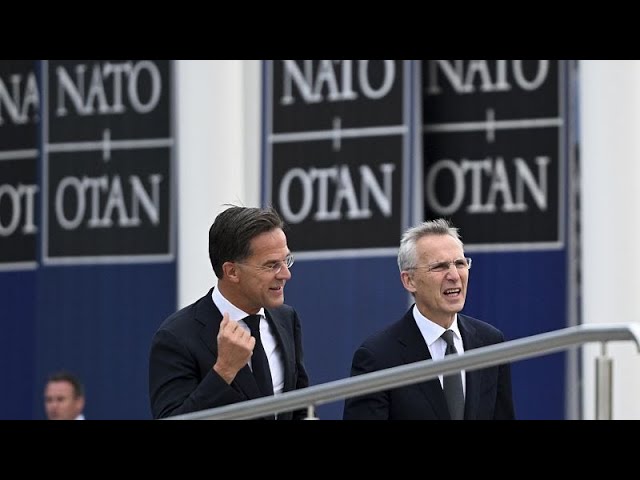
Montenegro, once firmly in Russia’s sphere of influence, joined NATO in 2017. This move was seen by many as a major blow to the Kremlin’s strategic goals in Southeast Europe, undermining the perception that the region was decidedly pro-Russian. The country’s pivot toward Western defense structures continues to stand as a stark reminder that Kremlin-friendly governments can rapidly realign when broader interests are at stake.
Economic Factors and Energy Ties
One of Moscow’s most effective levers of power in the Balkans had been its role as a key energy supplier. Gas agreements and oil contracts bolstered Russia’s foothold, offering local governments reliable—if sometimes politically fraught—access to affordable energy. Yet Europe’s ongoing efforts to diversify its energy supply and reduce dependence on Russian resources have started to weaken Moscow’s sway.
In Serbia, plans to link up with alternative pipelines from neighboring countries could mitigate Russia’s longstanding energy dominance. Meanwhile, Bosnia and Herzegovina, another state traditionally viewed as within Russia’s sphere, is actively discussing more diversified energy routes. These shifts dilute Russian economic clout and further complicate Moscow’s capacity to maintain a strong presence in the region.
Shifting Public Opinion
While Russia has long relied on cultural diplomacy to foster goodwill among Balkan citizens, recent surveys suggest a notable shift in public sentiment. The economic and social benefits of closer ties with the European Union—such as access to scholarships, visa-free travel, and foreign direct investment—have made many Balkan citizens view Brussels as a more appealing partner than Moscow.
Moreover, Russia’s military actions on other fronts have prompted anxiety among certain Balkan populations who fear that aligning with Moscow could strain relationships with the West and hinder their own EU accession hopes. In societies where European integration is a near-universal aspiration, it is becoming increasingly challenging for pro-Russian narratives to maintain broad popular support.
Geopolitical Ramifications
Russia’s diminishing influence in the Balkans highlights a broader global trend: competing blocs vying for regional sway, with the EU, NATO, and other Western entities making decisive inroads. For the Kremlin, losing ground in Southeast Europe carries political and strategic consequences that ripple beyond the region. By the same token, Balkan states searching for reliable alliances may shift even more decisively toward Western institutions.
Diplomatic experts note that unless Russia reevaluates its strategy—perhaps by offering new forms of economic or security cooperation—it risks being sidelined in a part of Europe it once considered a reliable staging ground for extending its influence.
Conclusion
As Serbia edges closer to EU membership, Montenegro cements its position in NATO, and other Balkan countries explore alternative partnerships, the solid ties that once bound the region to Moscow are fraying. Historical and cultural connections remain, but for many Balkan governments, the imperatives of economic development and European integration are taking precedence over maintaining a robust alliance with Russia. Unless Moscow adapts its approach, it may find its influence in Southeast Europe reduced to a shadow of its former strength, marking the end of an era in Balkan geopolitics.